Special Reports
Nigeria releases ₦422.3 billion for basic healthcare since 2019, disburses ₦249.5 billion under Tinubu

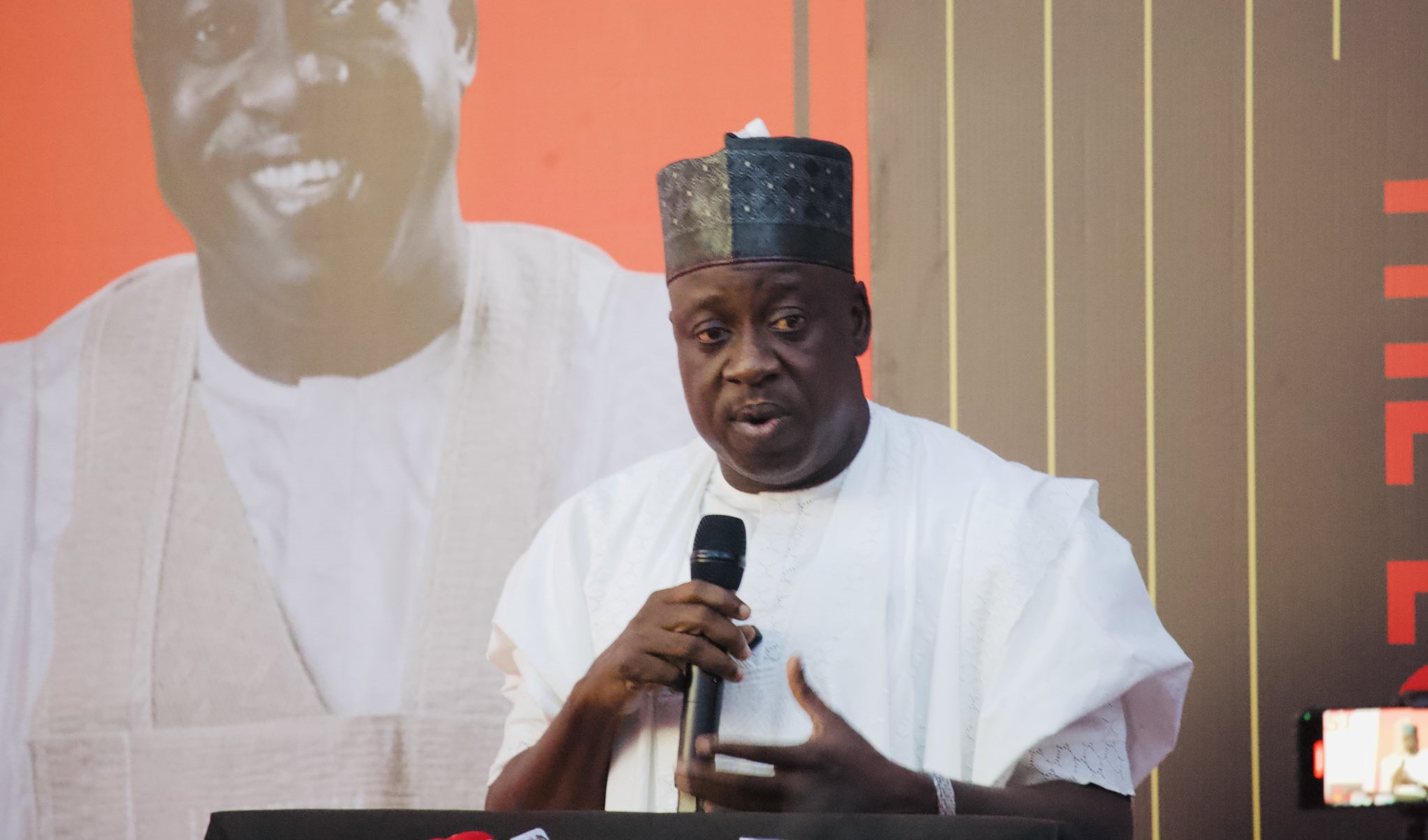
The minister also said the government signed a memorandum of understanding with the Independent Corrupt Practices and Other Related Offences Commission (ICPC) to strengthen tracking of BHCPF resources and improve accountability.
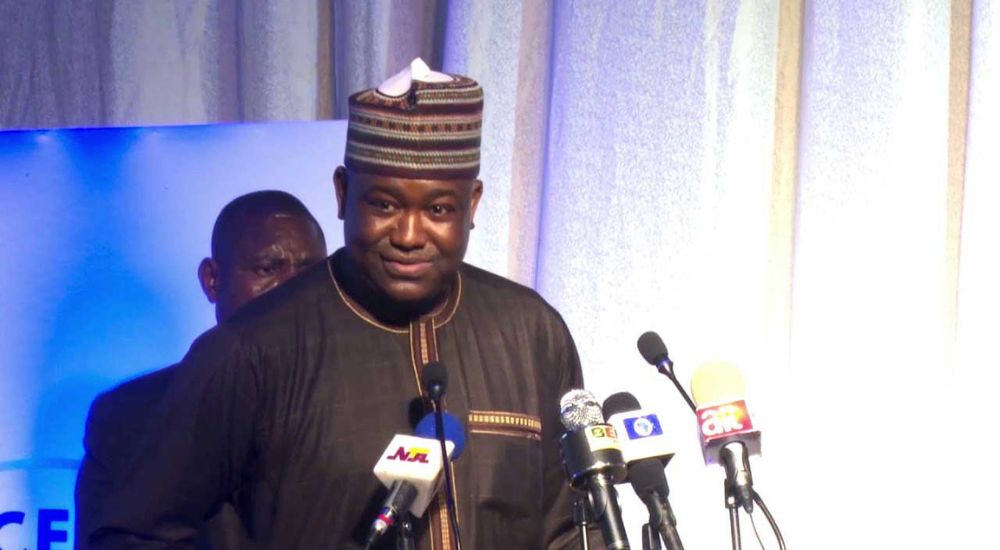
The Coordinating Minister of Health and Social Welfare, Muhammad Pate, said cumulative releases under the Basic Health Care Provision Fund (BHCPF) reached ₦422.3 billion between 2019 and October 2026.
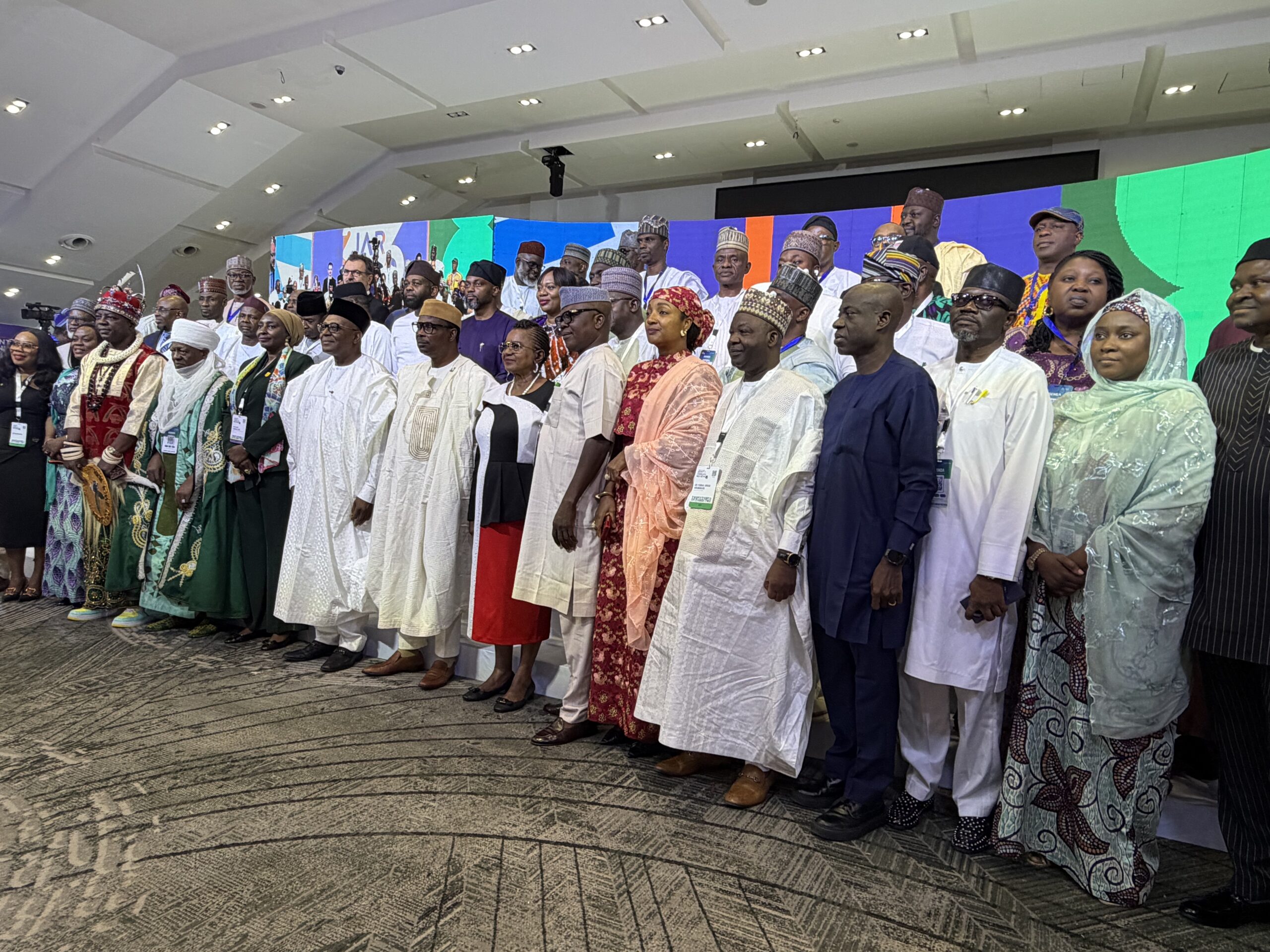
He disclosed this on Tuesday while delivering his keynote address at the 2026 Nigeria Health Sector-Wide Joint Annual Review (JAR) in Abuja.
“By October 2026, cumulative Basic Health Care Provision Fund releases since 2019 had reached approximately ₦422.3 billion. Of the ₦323.6 billion disbursed to the gateways, ₦249.5 billion was disbursed under this administration,” he said.
The minister also said the government had signed a memorandum of understanding with the Independent Corrupt Practices and Other Related Offences Commission (ICPC) to strengthen tracking of BHCPF resources and improve accountability.
The BHCPF is a government financing mechanism established to improve access to basic healthcare services, particularly at the primary healthcare level.
Mr Pate said all states and more than 8,000 BHCPF-supported facilities had prepared plans linked to budget priorities for the third consecutive year.
“We are strengthening the connection between planning, expenditure and the services people receive,” he said.
The minister also disclosed that 3,526 primary healthcare centres had been revitalised across the country, while work was ongoing at another 900 facilities.
He described the development as “substantial progress”, although he acknowledged that many facilities still needed attention.
Mr Pate said the government had recruited 19,758 skilled birth attendants across 22 states and 4,747 community health workers across 10 states.
He added that 78,054 frontline health workers had received training as part of efforts to improve healthcare delivery.
The minister also reported increased use of services at BHCPF-supported facilities, with skilled deliveries rising from 4.8 million in 2023 to 7.9 million by the second quarter of 2026.
He said fourth antenatal care visits increased from six million to 8.7 million, while outpatient attendance rose from 32.4 million to 43 million.
Despite the increased investment, Mr Pate acknowledged that financing remained a major challenge for Nigeria’s health sector.
He said the government was working to improve the release and utilisation of healthcare funds, alongside legislative efforts to increase the BHCPF allocation to two per cent of the Consolidated Revenue Fund.
The minister also referred to proposed reforms of excise duties on sugar-sweetened beverages and the possibility of earmarking the revenue for healthcare.
“We cannot sustain ownership of our priorities without financing them. We must mobilise domestic resources, release them on time and use them effectively,” he said.
Speaking on behalf of civil society organisations, Muhammed Lecky urged the government to ensure that increased healthcare investment translated into improved services for communities.
“A renovated facility is only a beginning. It must have the staff, medicines, power and systems needed to deliver care,” he said.
Mr Lecky also called for transparent, timely financing, stronger community participation, and independent monitoring of reported improvements.
Similarly, the Chairperson of the Senate Committee on Health, Ipalibo Banigo, stressed the need for accountability in healthcare spending.
“It is one thing to make provisions in the budget and another thing to get the funds released on time, effectively utilised and institutions held accountable,” she said.
She pledged continued legislative support through appropriations and oversight to strengthen healthcare financing.
The 2026 Joint Annual Review, held under the theme “Make Reform Data Count”, brings together federal and state government officials, development partners and other stakeholders to assess progress under the Nigeria Health Sector Renewal Investment Initiative.
The initiative is being implemented through the Sector-Wide Approach, which seeks to improve coordination, financing and accountability in healthcare delivery.
The three-day review is expected to identify remaining challenges and agree on priorities for 2027.


Fidelity Bank Expands Access to Affordable Financing and Sustainable Business Growth for Abuja SMEs

Zamfara moves to hunt, nurture youths’ talents through annual intellectual competition

Nigeria releases ₦422.3 billion for basic healthcare since 2019, disburses ₦249.5 billion under Tinubu

“The Glory Has Departed From The Temple Of Justice” — Lawyer Raises Alarm Over Dilapidated Umuahia High Court Complex, Calls For Urgent Rehabilitation

Suspected Al-Shabaab Attack Kills Eight In Northeast Kenya

Dangote Cement deploys football to promote peace, youth development In Host Communities

Lagos Int’l Theatre Festival 0.3 Returns with Weeklong Celebration of Arts and Culture

ADC Alleges Plot To Arrest Party Spokesperson, Others

How Lagos Families Are Allegedly Buying Contaminated Meat In Dirty Conditions At Mushin, Oshodi, Mile 12, Surulere Markets

Delta records highest oil spill as nine incidents release nearly 130,000 litres of crude

Edo police kill three suspected kidnappers, rescue kidnapped victim

Troops rescue 50 abductees, kill 36 terrorists in 1 week

ADC, NDC, PDP decry attacks on opposition parties in Enugu

EFCC arraigns ALSCON, Russian director on N582.4 million money laundering charges
Tinubu Encouraging Political Indiscipline With Opposition Inclusion In Campaign Council — Olawepo-Hashim

Court rejects Euracare’s bid to halt inquest into Adichie’s son’s death

 Special Reports7 days ago
ADC warns Sokoto govt, vows to hold governor responsible for intimidation, violence against opposition

 Special Reports6 days ago
United Nigeria Airlines Boss Receives Trailblazer In Aviation Award At Daily Times Centenary Celebration
- Top Stories5 days ago
“Courts Must Guard Their Independence, Impartiality And Integrity” — NDC Warns After Atiku’s Candidacy Is Nullified
- Politics6 days ago
“28 State Assemblies Have Approved The Bill” — NASS Moves To Transmit State Police Amendment To Tinubu For Assent
- Politics6 days ago
“Hospitals Must Assess Emergency Patients Within 15 Minutes” — Senate Advances Bill Proposing Six-Month Jail, ₦300,000 Fine
- Special Reports7 days ago
Fidelity Bank Deepens Creative Sector Support with CANEX WKND 2026 Partnership
-
 News6 days ago
“Destroying Campaign Posters Is A Criminal Offence” — IGP Disu Orders Nationwide Crackdown, Cites Criminal Code, Penal Code Ahead Of 2027 Elections
- Politics6 days ago
“State Police Bill Has Received The Backing Of 29 State Assemblies” — Kalu Announces Transmission As Senate Confirms 30 Approvals