Special Reports
Otti explains Abia’s preference for electric buses over CNG

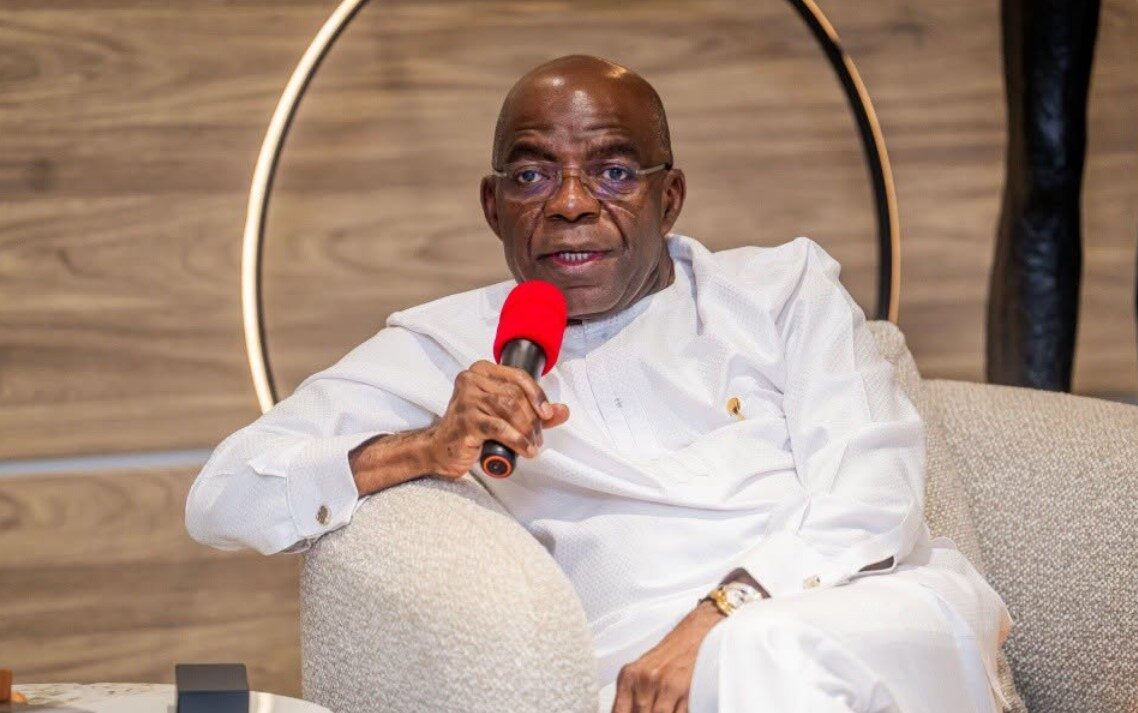
“We are not opposed to CNG, but we chose electric vehicles for our public transportation system,” the governor said.
Governor Alex Otti of Abia State says his administration chose Electric Vehicles (EVs) over Compressed Natural Gas (CNG) powered buses because EVs represent an upgrade in transportation technology.
He spoke at the October edition of his monthly media briefing, held at the Michael Okpara Auditorium in Umuahia on Friday night.
He said that despite the preference for EVs, the Abia State Government still encouraged establishing additional CNG stations in the state.
“We are not opposed to CNG, but we chose electric vehicles for our public transportation system,” the governor said.
He said both petrol and CNG vehicles operate on internal combustion engines, while EVs require a different propulsion system.
He added that some companies had expressed interest in establishing additional CNG stations in the state, and that agreements had been reached with them.
He explained that the proposed stations would cater for privately owned vehicles and other consumers, rather than the state’s public transportation system.
Mr Otti said that CNG is cheaper to use than petrol and expressed optimism that converting petrol and diesel vehicles to CNG would gain more traction in the country.
He also said that Nigerian companies specialise in converting internal combustion engine vehicles to CNG.
Mr Otti also responded to purported complaints about the continued street trading at Umuahia city centre, popularly called Isi-Gate.
According to him, street trading cannot be eliminated; it still operates in other developed parts of the world, including London.
He promised compensation to traders who might be displaced by the state’s urban renewal efforts.
Mr Otti said the Abia State Government was working to restore order in the capital city, particularly by tackling challenges associated with street trading.
He said the relocation of traders from Isi-Gate would be gradual, considering that many petty traders on the street depend on that income for their livelihoods.
He said the government was still exploring alternative locations for affected traders to avoid pushing them into activities that could further undermine public order.
“We are a compassionate government. So, if we move you out of your shop, we will pay you compensation. We will ensure that,” he said.
Mr Otti argued that displacing traders without considering their economic circumstances would defeat the purpose of the government’s urban renewal programme.
“It doesn’t make sense to drive everybody away. Who are you even sanitising the place for?
“So, it is a balancing act. We are handling it step by step,” he said.
(NAN)


Two South-east states developing integrated ranches to curb herder-farmer clashes

Police Recover iPhone 16, N150,070 From Anambra Church Burglar

Aguata Indigenes In Enugu Endorse Dr Chibueze Ofobuike For Green Chamber

ANALYSIS: Congolese refugees caught between war and closing doors

University cancels final-year students’ exam over ‘wild jubilation’

Economy Out Of ‘Dark Tunnel,’ Tinubu Declares After Entering Ka’abah

Anambra govt seals orphanage, gives reason

Jigawa govt establishes N4.5bn cattle ranches

INVESTIGATION: How Anthony Kila falsified all his academic qualifications – from Bachelor’s to Doctorate

Customer Service Week: Inside How Jumia Is Using Technology To Go The Extra Mile For Shoppers

Kayefi headlines Tales & Tunes as ID Cabasa leads music direction in Sheffield

Google opens AI-content detector to enable verification

How Houthi military aggression in Red Sea threatens Africa

UK migrant workers wear chains, sing Asa’s ‘Jailer’ to protest proposed visa reforms

Ogaga Ifowodo wins $100,000 Nigeria Prize for Literature

How Lagos Families Are Allegedly Buying Contaminated Meat In Dirty Conditions At Mushin, Oshodi, Mile 12, Surulere Markets
-

 Special Reports7 days ago
Buy 1 Get 1 Free Chicken Bucket: KFC Nigeria brings back its biggest value deal Wednesday, 28th Oct
-
Top Stories6 days ago
“Some Threatened To Leave Quarantine” — NCDC Explains Financial Support, Rejects 2027 Election Claims, Says Nigeria Not Yet Out Of Woods
-
Special Reports6 days ago
EXCLUSIVE: Igho Sanomi Rushes to British Virgin Islands Court to Resurrect Lengard Projects Limited, the Company America Named in $14.95 Million Taleveras Payments to Diezani Alison-Madueke’s Ally, Kola Aluko
-
Top Stories6 days ago
“WHO Has Not Declared Nigeria Ebola-Free” — Agency Says 42-Day Countdown Must End Without Fresh Case
-
Special Reports7 days ago
OK Movement faults NDC campaign council
-
Special Reports7 days ago
Ballon d’Or 2026: How Nigeria went from Osimhen, Lookman to no nominees
-
Special Reports6 days ago
CBD COP17: Experts explore new conservation models to advance Africa’s 30×30 goals
-
Special Reports7 days ago
INEC, Meta, Google, Microsoft, Rise Networks launch AI hackathon ahead of 2027 elections