Special Reports
S&P Global Africa Summit panel calls for stronger links between trade, capital flows, industrial growth


The call came during a panel discussion on fintech, digital assets and the future of capital flows in Africa, where participants examined opportunities to strengthen cross-border payments
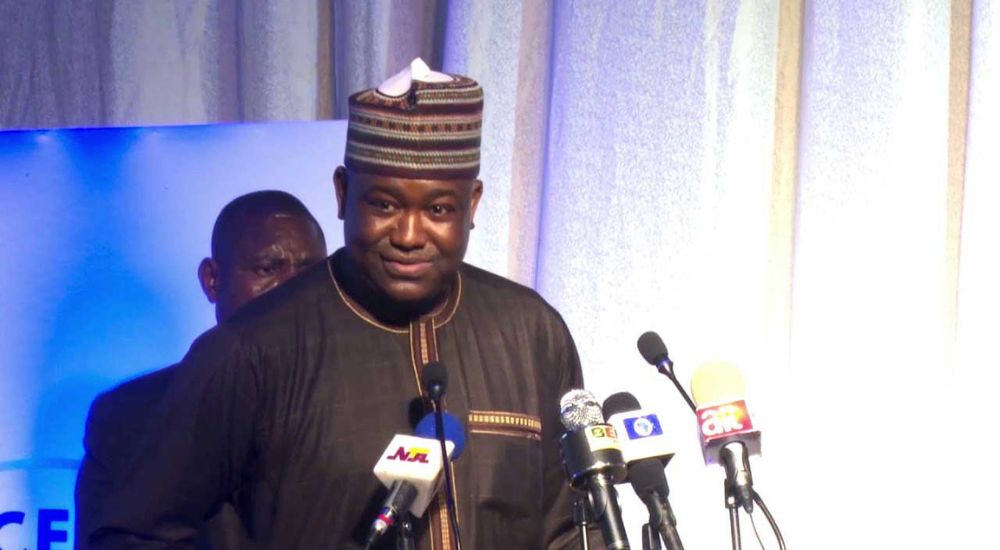
Financial industry leaders at the S&P Global Africa Summit in Lagos on Tuesday called for stronger links between regional trade, capital flows and industrial development to support Africa’s economic growth.
The panel featured Zeal Akaraiwe, Group CEO of FMDQ Group; Serah Makka, Executive Director for Africa at ONE Campaign; Muyiwa Oni, Head of Equity Research at StanbicIBTC; Niyi Toluwalope, CEO of eTranzact; Jay Alabraba, co-founder of Paga; and Ugo Nwaghodoh, Executive Director at UBA. It was moderated by Luigi Motti of S&P Global Ratings.
Speaking on the relationship between financial integration and regional commerce, Akaraiwe emphasised the importance of ensuring that advances in cross-border payment infrastructure are matched by improvements in the movement of goods and services.
“Regarding trade transactions, more important than the capital flows, especially when we are talking about the region, I think much more important than the flow of capital is the actual flow of goods and services,” he said.
He explained that sophisticated cross-border payment systems would deliver greater economic value when accompanied by the physical infrastructure and commercial arrangements required to facilitate regional trade.
Looking ahead to Africa’s next investment cycle, Akaraiwe identified the wider integration of appropriately regulated digital assets, continued improvements in cross-border capital mobility and greater investment in processing Africa’s raw materials as developments with the potential to accelerate economic growth.
He acknowledged the important role of existing exchange control arrangements in safeguarding national economies, while highlighting opportunities for regulatory frameworks to continue adapting to changing market conditions and investment needs.
Akaraiwe suggested that combining progress in these areas with increased local processing capacity could create significant opportunities for industrial investment, regional commerce and greater value addition within African economies.
The FMDQ chief executive also recognised the growing relevance of virtual assets in global finance, noting that the priority was to explore how emerging digital financial instruments could be integrated effectively into established financial systems alongside traditional mechanisms.
His contributions reflected the wider panel’s focus on strengthening the relationship between financial innovation, market development and the productive sectors of African economies.
From a development finance perspective, Makka emphasised the importance of directing more capital towards productive businesses, particularly small and medium-sized enterprises capable of generating employment and supporting long-term growth.
She highlighted the need to strengthen domestic investment and improve the preparation of commercially viable projects, noting that financial systems which serve local investors effectively also create better conditions for international capital.
The panel also examined the conditions required to attract greater institutional investment into African markets, including foreign exchange liquidity, the ability to enter and exit investments efficiently, and the availability of quality securities capable of attracting long-term capital.
Discussions on financial technology focused on opportunities to improve payment and settlement arrangements across African markets through greater regulatory coordination, more efficient cross-border transactions and solutions that offer businesses and individuals tangible benefits in cost, reliability and convenience.
Panellists also considered how digital investment platforms could expand retail participation in securities markets, opening opportunities for more individuals to invest across African economies. The discussion underscored the importance of collaboration among regulators, financial institutions, investors and businesses in developing the systems required to support deeper financial markets and stronger regional economic integration.
The S&P Global Africa Summit 2026, held under the theme *Turning West Africa’s Potential into Reality*, brought together policymakers, regulators, investors and financial industry leaders to examine opportunities for deepening capital markets, mobilising investment and supporting sustainable economic growth across the region.


Gov Uba Sani condoles deputy, attends three-day prayers for her late father

Nigeria’s Oil Output Rises 5.7% To 1.69m Barrels In October

S&P Global Africa Summit panel calls for stronger links between trade, capital flows, industrial growth

2027: APC Dissolves Tinubu’s Campaign Spokesperson Team

222 Phones, Laptop, Tablet Recovered From Suspected Kano Thief

Authentic Taste, Wherever You Are: The real KFC Nigeria taste, now doubled, delivered to your door

Imo Govt Marks Hall Where Obi Held Meeting For Demolition

COP31: Climate activists reject carbon capture, marine geoengineering as ‘false solutions’

ADC, NDC, PDP decry attacks on opposition parties in Enugu

EFCC arraigns ALSCON, Russian director on N582.4 million money laundering charges
Tinubu Encouraging Political Indiscipline With Opposition Inclusion In Campaign Council — Olawepo-Hashim

Court rejects Euracare’s bid to halt inquest into Adichie’s son’s death

CJN, AGF, NBA president charges SANs on upholding ethics, earning public trust

Nigeria records 268 Lassa fever deaths as fatality rate rises to 23.6% – NCDC

No Light, Expensive Fuel: How Alimosho Residents Are Spending N5,000 – N15,000 Daily To Survive – Traders Lament

Nigerian govt to invest more in technology, intelligence to tackle insecurity

 Top Stories6 days ago
“Courts Must Guard Their Independence, Impartiality And Integrity” — NDC Warns After Atiku’s Candidacy Is Nullified
- Special Reports7 days ago
United Nigeria Airlines Boss Receives Trailblazer In Aviation Award At Daily Times Centenary Celebration
- Politics7 days ago
“Hospitals Must Assess Emergency Patients Within 15 Minutes” — Senate Advances Bill Proposing Six-Month Jail, ₦300,000 Fine
-
 News7 days ago
“Destroying Campaign Posters Is A Criminal Offence” — IGP Disu Orders Nationwide Crackdown, Cites Criminal Code, Penal Code Ahead Of 2027 Elections
- Politics7 days ago
“State Police Bill Has Received The Backing Of 29 State Assemblies” — Kalu Announces Transmission As Senate Confirms 30 Approvals
- Special Reports7 days ago
“The Appeal Fails” — Court Of Appeal Rejects Turaki-Led PDP Recognition Bid, Upholds ₦70m Costs, Awards Additional ₦15m
- Politics7 days ago
“This Legislation Is Not Intended To Undermine Property Rights” — Reps Pass Bill To Limit FCT Advance Rent To 12 Months
- Top Stories5 days ago
“Leadership Must Emerge Through Lawful Process, Not Imposition” — Bala Gombe Commends Justice Lifu Over ADC Judgment