News
The Politics of Inclusivity: Uba Sani’s consensus governance as Tinubu’s winning formula in Kaduna and beyond, by Timothy Chawai

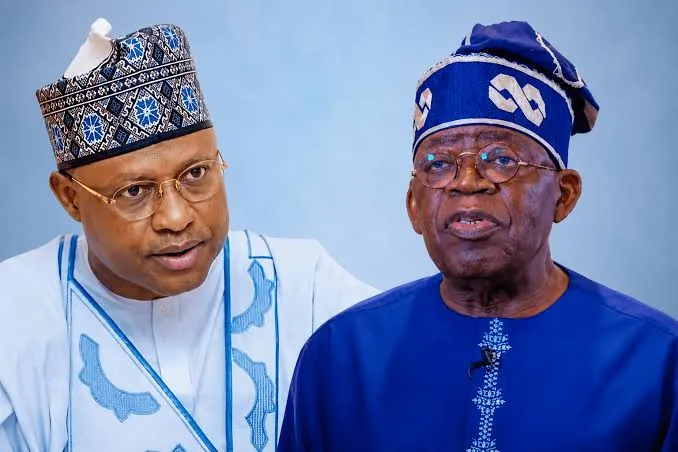
In Nigerian electoral politics, Kaduna has traditionally served as both a barometer and an epicenter. Historically fractured along ethno-religious and geographical lines, the state was long viewed as a volatile political terrain where winning required navigating deep animosities rather than cultivating broad-based consensus. Yet, as the political calendar draws nearer to 2027, Kaduna is undergoing a quiet but profound transformation. At the center of this realignment is Governor Uba Sani, whose leadership model blends rural infrastructural revolution, diplomatic bridge-building, and responsive governance.
In doing so, Sani has dismantled age-old divisions, engineering a deep reservoir of grassroots goodwill that firmly anchors Kaduna for President Bola Ahmed Tinubu (PBAT) and provides a winning formula for the ruling All Progressives Congress (APC) across the federation. For decades, public capital expenditure in Kaduna suffered from an urban bias, concentrating resources around the metropolis and leaving vast agrarian belts cut off from economic opportunity.
Governor Sani recognized that sustainable development and durable political loyalty begin at the grassroots. Rather than treating rural areas as an afterthought, his administration launched an aggressive, statewide infrastructure drive across all twenty-three Local Government Areas. This transformation has been driven on the ground by the Kaduna State Roads Agency (KADRA), under the dedicated stewardship of its Managing Director, Dr. Abdullahi Baba Ahmed.
Under Dr. Ahmed’s focused execution and technical rigor, KADRA has translated the Governor’s rural revival blueprint into reality, rapidly deploying across previously neglected terrains to construct durable lifelines.
Landmark interventions orchestrated through KADRA—including the strategic road and bridge network crossing the River Kaduna to connect Gadan Gayan, Gwaraji, and Maraban Kunfana, alongside critical inter-local government routes such as the Kauru–Pambeguwa corridor—have broken decade-long isolations.
These rural road networks are far more than engineering feats; they are economic and social arteries. By paving the corridors that connect farming communities to urban commercial hubs, the administration has drastically reduced post-harvest losses, lowered transit costs, stimulated agrarian wealth, and granted security forces swift mobility to respond to flashpoints. In political terms, rural communities constitute the demographic core of Kaduna’s voting strength.
By delivering tangible infrastructure that everyday farmers, traders, and families can see and feel, Sani and KADRA have replaced political cynicism with organic grassroots loyalty that directly strengthens the party’s platform heading into the 2027 elections.
Complementing this physical transformation is a philosophy of governance driven by the will of the people. Rather than implementing heavy-handed, elite-centric mandates, Governor Sani has led with empathy and responsive public service. Interventions such as reducing state tertiary tuition fees, widening access to basic healthcare, and deploying tailored social safety nets have shown that ordinary citizens sit at the center of policy design.
When citizens perceive that their government genuinely listens and alleviates their daily burdens, that subnational goodwill naturally extends to the national leadership under which the governor serves.
The crowning achievement of Sani’s tenure, however, is his deliberate cultivation of equity and social cohesion. For years, the divide between Northern and Southern Kaduna was exploited for partisan gain, fostering mutual distrust and administrative gridlock. Sani broke that cycle by practicing the politics of inclusivity. Through continuous diplomacy, he brought traditional rulers, religious authorities, and community leaders across ethnic and political divides into an open, equitable partnership. By distributing projects with regional fairness and treating all communities as equal stakeholders in the Kaduna project, he has pacified sectarian flashpoints and turned former political battlegrounds into harmonious coalitions.
State governors remain the decisive linchpin in federal elections, bridging national policy with local ballots. Where a state leader alienates the populace, the center suffers; where a leader earns genuine trust, the presidency reaps the dividend. Governor Sani has demonstrated the power of alignment with the center, linking his rural revitalization and agricultural connectivity with President Tinubu’s national food security and economic stabilization agendas.
As 2027 approaches, Kaduna stands ready not merely to participate, but to deliver a resounding mandate for President Bola Ahmed Tinubu. Governor Uba Sani has proven that rural infrastructural development and consensus governance are not just effective administrative tools—they form the ultimate political formula to unite the electorate, secure the grassroots, and guarantee victory in Kaduna and beyond.
Timothy Chawai writes from Kaduna.


FirstBank partners Google Pay, expanding digital payment options for card holders

FG panel: 37 miners died from suffocation in Niger NSCDC custody – The Witness Nigeria
Ekiti: Oyebanji, INEC close case as tribunal adjourns for adoption of addresses

Tinubu Seeks Faster Prisoner Transfers With New Bill

General Akerejola Succeeds Late Father As Ubuoro Of Ogori Land

Court to deliver judgement in El-Rufai’s N1 billion rights suit

33 Miners Died Of Suffocation In NSCDC Cell, Autopsy Finds

The Politics of Inclusivity: Uba Sani’s consensus governance as Tinubu’s winning formula in Kaduna and beyond, by Timothy Chawai

INVESTIGATION: How Anthony Kila falsified all his academic qualifications – from Bachelor’s to Doctorate

Google opens AI-content detector to enable verification

Customer Service Week: Inside How Jumia Is Using Technology To Go The Extra Mile For Shoppers

Kayefi headlines Tales & Tunes as ID Cabasa leads music direction in Sheffield

How Houthi military aggression in Red Sea threatens Africa

How Lagos Families Are Allegedly Buying Contaminated Meat In Dirty Conditions At Mushin, Oshodi, Mile 12, Surulere Markets

Ogaga Ifowodo wins $100,000 Nigeria Prize for Literature

UK migrant workers wear chains, sing Asa’s ‘Jailer’ to protest proposed visa reforms

 Investigations7 days ago
Emirates explores a range of new innovations for customers with accessible travel requirements at AccessAbilities Expo, Dubai 2026
- News7 days ago
Lagos Alone Cannot Afford Fourth Mainland Bridge — Hamzat
- Top Stories5 days ago
“The Task Force Is On Top Of It, NCDC Is On Top Of It” — FG Assures Nigerians Of Capacity To Contain Ebola
- Investigations7 days ago
MILO and Ahmed Musa Support 2500+ Young Footballers Through Kano Sports Clinic
- Special Reports7 days ago
Kenya confirms ninth Ebola case, says all patients improving
- News7 days ago
Police Nab Suspected Cultists Terrorising Ajah
- Special Reports6 days ago
Dangote To Nigerian Creatives: Africa Must Build Its Own Prosperity
- Special Reports7 days ago
Lagos water corporation revises 1.03% coverage figure, says it serves 1.65 million people