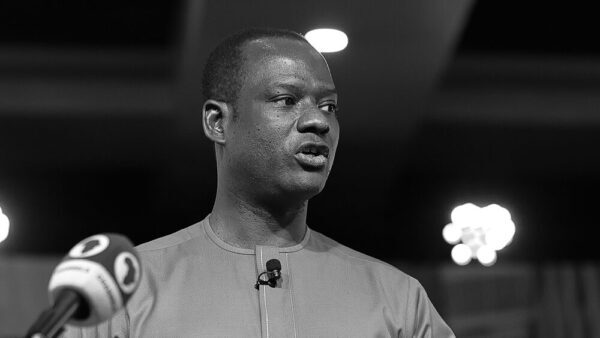
According to the Minister of Finance and Coordinating Minister of the Economy, Taiwo Oyedele, the economic disruptions that followed the removal of petrol subsidy and foreign exchange reforms were expected as part of efforts to correct longstanding distortions in the economy.
The Minister of Finance and Coordinating Minister of the Economy, Taiwo Oyedele, has said the economic volatility that followed the removal of petrol subsidy and reforms in the foreign exchange market was unavoidable.
According to him, the reforms were necessary to address distortions created by years of fuel and foreign exchange subsidies.
“If you think about where we started, about three years ago, it was a situation where there was a lot of economic distortion, particularly coming from fuel subsidy, FX subsidy and a lot of other market distortions,” he said.
He noted that the government anticipated short-term consequences, including increases in fuel prices, transportation costs and inflationary pressures, as it implemented the reforms.
“You remove subsidy, fuel prices would go up. Transportation is affected. Logistics is affected. Price pressure, inflation, right? So those things would happen,” he added.
Mr Oyedele, however, said the administration believes the economy has largely moved beyond the initial adjustment period and is now entering a new phase focused on growth.
He said recent economic indicators point to improving conditions, including moderation in inflation, greater stability in the foreign exchange market and gradual economic growth.
“We’ve seen moderation in inflation. We’ve seen the foreign exchange rate stabilise. We’ve also seen growth, modest growth, but increasing,” he noted.
The minister acknowledged that recent geopolitical developments have created fresh economic pressures but maintained that the government’s priority is now to translate earlier reforms into tangible economic gains.
He said investments in power, infrastructure and skills development would be critical to sustaining growth, while reforms aimed at improving the business environment would continue.
Mr Oyedele also spoke about ongoing efforts to strengthen tax compliance, saying the government is working towards a system that ensures compliance through enforcement mechanisms rather than relying solely on voluntary participation.
“One of the problems is that Nigeria’s political economy still has some very large tax evaders who are almost too powerful to touch. No one should be above the law,” he said.
He added that recent measures have targeted multinational companies, operators in special economic zones, government agencies and high-net-worth individuals as part of broader efforts to improve revenue collection and strengthen public finances.
The minister said the government remains focused on deepening reforms while ensuring that gains from macroeconomic stability ultimately benefit businesses and households across the country.