Special Reports
₦5.8 Million In Store Payments Unaccounted For At University Of Abuja

Secrets Reporters
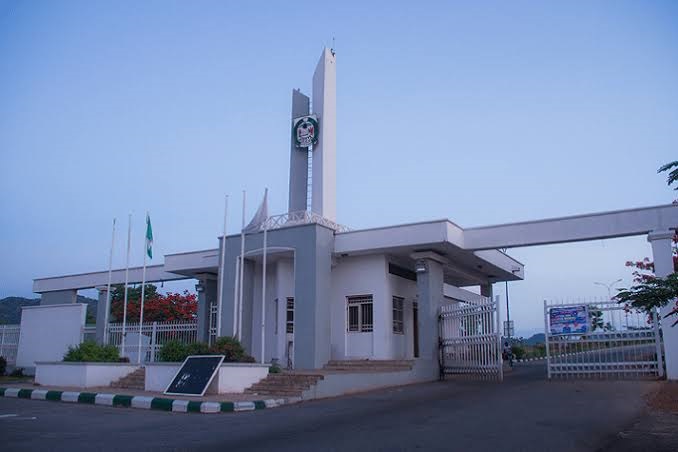
Payments totalling ₦5,855,862 made to contractors for store items at the University of Abuja have raised questions over how the goods were accounted for, after the items were reportedly not entered in the store ledger and no Store Received Vouchers were issued.
The missing documentation makes it difficult to establish from the available records whether the items were received and properly recorded by the University. The matter raises concerns about the management of public funds and the controls in place for tracking goods purchased for institutional use. The transaction was examined under Paragraphs 2402(i) and 2107 of the Financial Regulations 2009, which were cited in connection with the handling and recording of store items.
The University’s management offered a different explanation for the expenditure, stating that the money was not used to purchase stock items in the manner described but was issued to staff as cash advances to carry out specific assignments.
“The issue of stock-related items not taken on charge amounting to ₦5,855,862.00 were actually items of cash advance to staff to perform certain functions,” management stated.
The explanation places the transaction in a different context, presenting the money as advances for staff activities rather than payments for goods intended for the University’s stores.
However, the issue remains whether the expenditure was properly documented and supported by the records required to account for the funds. If the payments were cash advances, the relevant supporting documents would be necessary to establish who received the money, the purposes for which it was released and how it was subsequently accounted for. The absence of entries in the store ledger and the failure to issue Store Received Vouchers are central to the concerns surrounding the ₦5.86 million transaction.
Store records help public institutions track goods purchased, confirm their receipt and establish how items are distributed or used. Without the relevant entries and receiving documents, it becomes more difficult to trace the movement of goods and determine whether payments correspond with items actually supplied. The issue also raises questions about the relationship between management’s explanation and the original description of the expenditure as payments to contractors for store items.
The identified risks include loss of government funds, payment for items not supplied and possible diversion of public funds. These are risks associated with the gaps in documentation and accountability; they do not, on their own, establish that goods were not supplied or that funds were diverted. The key issue is whether the University can provide sufficient records to support the payments and demonstrate how the ₦5,855,862 was used.


Kula Boat Tragedy: Oil profits must never trump human lives, HOMEF tells oil firms, govt

Oyo State Govt Supports Fire Victims, Promises Alternative Shops As It Clears Illegal Structures At BIIBCO
Akwa Ibom revenue hits N3.218 trillion in 41 months under Eno

Court Orders 18-Year-Old Fraudster To Pay N1.2m Over $800 Scam

EXCLUSIVE: NIMASA DG Dayo Mobereola Lavished N1.92 Billion on Hotels and Board Sittings in One Year

2027 Politics Watch – Sunday’s Roundup: Atiku challenges Tinubu on power as Kwankwaso tells him to stand down

Nigerian soldiers kill top ISWAP commanders including foreign fighters

ITESIWAJU Agenda, Day 7: A Is For Agricultural Transformation

INVESTIGATION: How Anthony Kila falsified all his academic qualifications – from Bachelor’s to Doctorate

Customer Service Week: Inside How Jumia Is Using Technology To Go The Extra Mile For Shoppers

Kayefi headlines Tales & Tunes as ID Cabasa leads music direction in Sheffield

Google opens AI-content detector to enable verification

How Houthi military aggression in Red Sea threatens Africa

UK migrant workers wear chains, sing Asa’s ‘Jailer’ to protest proposed visa reforms

How Lagos Families Are Allegedly Buying Contaminated Meat In Dirty Conditions At Mushin, Oshodi, Mile 12, Surulere Markets

Ogaga Ifowodo wins $100,000 Nigeria Prize for Literature
-

 Special Reports7 days ago
Nigerians Abroad: Iheanacho extends scoring streak as Ajayi, Awaziem shine
-
Special Reports7 days ago
Buy 1 Get 1 Free Chicken Bucket: KFC Nigeria brings back its biggest value deal Wednesday, 28th Oct
-
News7 days ago
NDPHC begins project to end 15-year blackout in Kaduna community
-
Special Reports7 days ago
Gov Otti Describes Prof. Kamene Okonjo’s Death As Personal Loss
-
Top Stories6 days ago
“Some Threatened To Leave Quarantine” — NCDC Explains Financial Support, Rejects 2027 Election Claims, Says Nigeria Not Yet Out Of Woods
-
Special Reports6 days ago
EXCLUSIVE: Igho Sanomi Rushes to British Virgin Islands Court to Resurrect Lengard Projects Limited, the Company America Named in $14.95 Million Taleveras Payments to Diezani Alison-Madueke’s Ally, Kola Aluko
-
Top Stories6 days ago
“WHO Has Not Declared Nigeria Ebola-Free” — Agency Says 42-Day Countdown Must End Without Fresh Case
-
Special Reports7 days ago
OK Movement faults NDC campaign council