Special Reports
Akwa Ibom revenue hits N3.218 trillion in 41 months under Eno

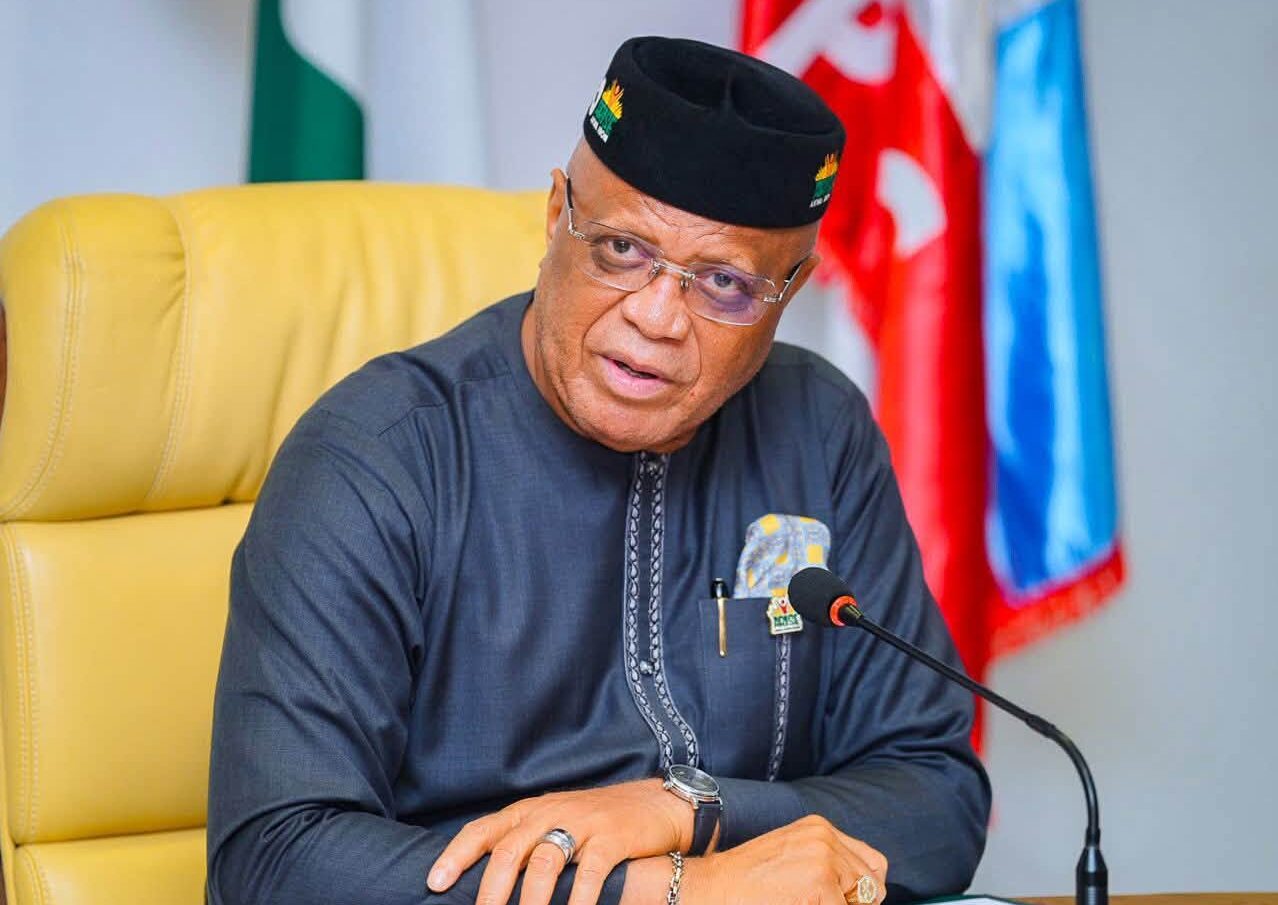
Akwa Ibom has received N3.218 trillion under Umo Eno in 41 months, but persistent gaps in its budget disclosures leave citizens in the dark about how the money is spent.
The Akwa Ibom State Government has received at least N3.218 trillion in public revenue within the first 41 months of Governor Umo Eno’s administration, further expanding the state’s financial resources despite persistent concerns over the government’s failure to publish comprehensive spending records.
The latest figure, added to the N2.934 trillion previously reported by PREMIUM TIMES for the period between May 2023 and June 2026, brings the administration’s cumulative revenue to N3.218 trillion.
Mr Eno assumed office on 29 May 2023.
The latest report shows that N275.37 billion of the third-quarter receipts came from recurrent revenue, comprising N250.61 billion from the state’s share of the Federation Account Allocation Committee (FAAC) and N24.76 billion from independent revenue, also known as internally generated revenue.
The state also recorded N9 billion in Capital Development Fund receipts, which comprise loan proceeds, bringing its total revenue for the quarter to N284.37 billion.
The figures point to the substantial increase in financial resources available to Mr Eno’s administration since it assumed office.
Despite the substantial revenue inflow, the state government reported total expenditure of N87.2 billion during the three-month period.
An examination of the expenditure figures shows that personnel costs, including pensions and gratuities, accounted for N36.25 billion.
Another N19.7 billion went into other recurrent expenditure, while N31.25 billion was recorded as expenditure on capital projects.
The figures indicate that personnel costs and other recurrent expenditure together accounted for N55.95 billion, exceeding the reported capital expenditure of N31.25 billion during the quarter.
However, the published report provides no detailed breakdown of the revenue sources showing the receipts from each of the FAAC sources, the type of loan obtained and what each ministry, department and agency of government remitted to the state coffers.
The report also failed to provide capital expenditure showing the individual projects funded, their locations, the amounts spent on each project or the ministries and agencies responsible for implementation. It also failed to show performance for the ministries and agencies to aid independent assessment of government priorities.
The latest report also raises fresh concerns about the quality of financial information being made available to the public.
Although the government published an eight-page third-quarter budget performance document, only five pages contained information. The remaining three pages were blank.
This limited disclosure comes against the backdrop of repeated findings by PREMIUM TIMES that the Eno administration has progressively reduced the level of financial details available in its public records.
In July, PREMIUM TIMES reported that the administration had received at least N2.934 trillion within its first 38 months but was no longer publishing detailed capital expenditure records, making it difficult for citizens to independently track spending on projects and government programmes.
The newspaper also found that the state’s audited financial statements for 2023, 2024 and 2025 did not contain detailed capital expenditure schedules.
Similarly, budget performance reports published from the first quarter of 2025 through the second quarter of 2026 omitted detailed capital expenditure information.
In an earlier investigation published in January, PREMIUM TIMES reported that Akwa Ibom had slipped deeper into fiscal secrecy under Mr Eno, with the government failing to provide the level of financial disclosure required by the state’s fiscal responsibility framework.
The state previously published more comprehensive quarterly budget implementation reports, sometimes exceeding 40 pages, containing information that enabled citizens to examine revenue and expenditure across ministries, departments, agencies and programmes.
The reduction in disclosure has limited the ability of citizens, civil society organisations and journalists to independently assess how public resources are allocated and spent.
The Akwa Ibom State Fiscal Responsibility Law requires the government to conduct its fiscal and financial affairs transparently, including the full and timely disclosure and wide publication of transactions involving public revenues and expenditure.
With the latest figures, the administration’s cumulative revenue has risen beyond N3.2 trillion, but the absence of comprehensive financial records continues to make it difficult to point to how much has been spent on individual projects and programmes across the state.


Gov Eno appoints chief of staff
2027: Obi promises to begin construction of Ibom Deep Seaport if elected president

Nigerian Players Watch: Osimhen, Orban, Onyedika shine as Nigerian stars deliver goals across Europe

Kula Boat Tragedy: Oil profits must never trump human lives, HOMEF tells oil firms, govt

Oyo State Govt Supports Fire Victims, Promises Alternative Shops As It Clears Illegal Structures At BIIBCO
Akwa Ibom revenue hits N3.218 trillion in 41 months under Eno

Court Orders 18-Year-Old Fraudster To Pay N1.2m Over $800 Scam

EXCLUSIVE: NIMASA DG Dayo Mobereola Lavished N1.92 Billion on Hotels and Board Sittings in One Year

INVESTIGATION: How Anthony Kila falsified all his academic qualifications – from Bachelor’s to Doctorate

Customer Service Week: Inside How Jumia Is Using Technology To Go The Extra Mile For Shoppers

Google opens AI-content detector to enable verification

Kayefi headlines Tales & Tunes as ID Cabasa leads music direction in Sheffield

How Houthi military aggression in Red Sea threatens Africa

UK migrant workers wear chains, sing Asa’s ‘Jailer’ to protest proposed visa reforms

How Lagos Families Are Allegedly Buying Contaminated Meat In Dirty Conditions At Mushin, Oshodi, Mile 12, Surulere Markets

Ogaga Ifowodo wins $100,000 Nigeria Prize for Literature
-

 Special Reports7 days ago
Nigerians Abroad: Iheanacho extends scoring streak as Ajayi, Awaziem shine
-
Special Reports7 days ago
Buy 1 Get 1 Free Chicken Bucket: KFC Nigeria brings back its biggest value deal Wednesday, 28th Oct
-
Top Stories6 days ago
“Some Threatened To Leave Quarantine” — NCDC Explains Financial Support, Rejects 2027 Election Claims, Says Nigeria Not Yet Out Of Woods
-
Special Reports6 days ago
EXCLUSIVE: Igho Sanomi Rushes to British Virgin Islands Court to Resurrect Lengard Projects Limited, the Company America Named in $14.95 Million Taleveras Payments to Diezani Alison-Madueke’s Ally, Kola Aluko
-
Special Reports7 days ago
Ballon d’Or 2026: How Nigeria went from Osimhen, Lookman to no nominees
-
Special Reports6 days ago
CBD COP17: Experts explore new conservation models to advance Africa’s 30×30 goals
-
Special Reports7 days ago
INEC, Meta, Google, Microsoft, Rise Networks launch AI hackathon ahead of 2027 elections
-
Top Stories6 days ago
“WHO Has Not Declared Nigeria Ebola-Free” — Agency Says 42-Day Countdown Must End Without Fresh Case