Special Reports
2027: APC unveils manifesto, defends Tinubu’s reforms amid economic hardship


The APC says another four years under President Bola Tinubu will consolidate economic reforms and deliver shared prosperity, while acknowledging that many Nigerians have yet to feel the benefits.
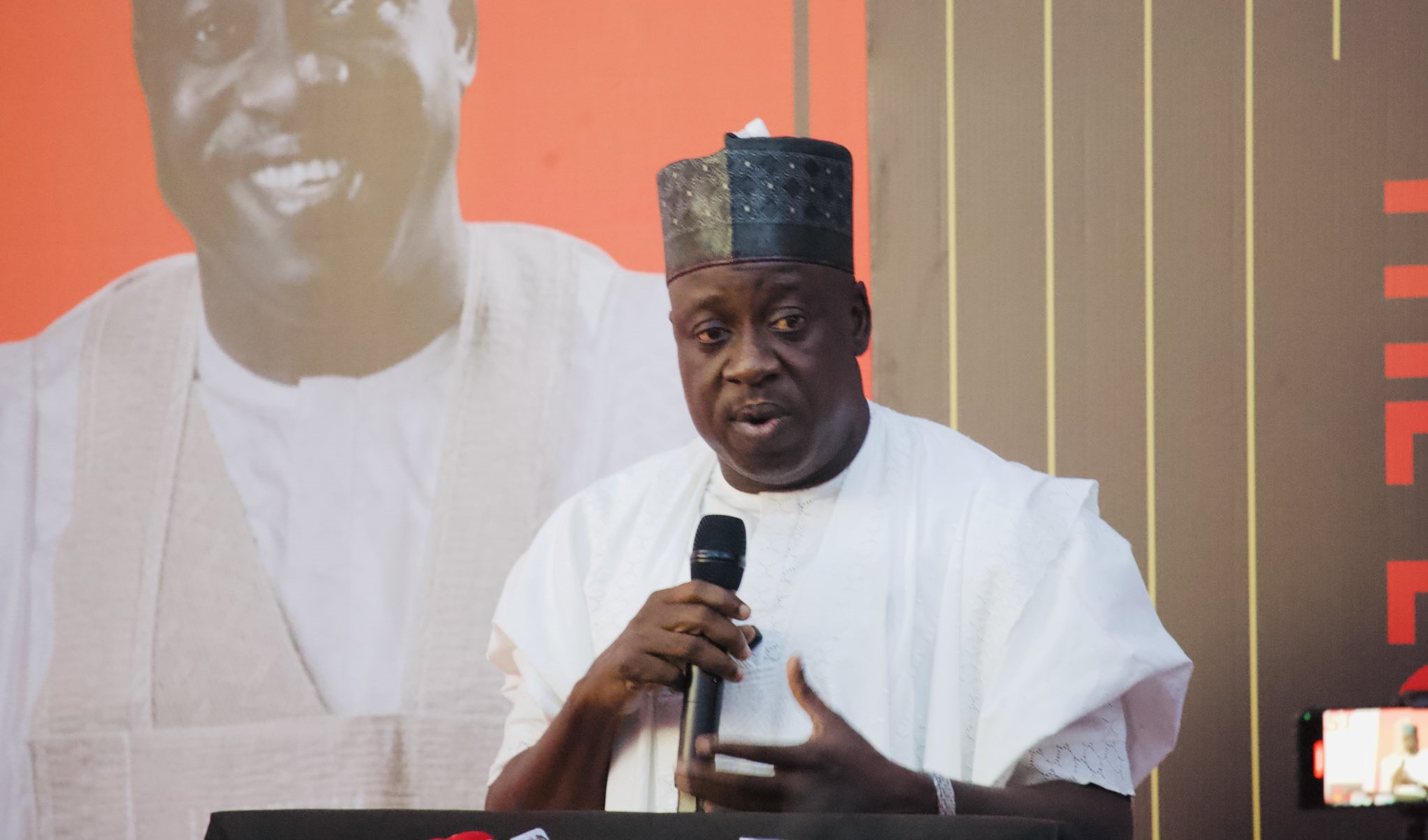
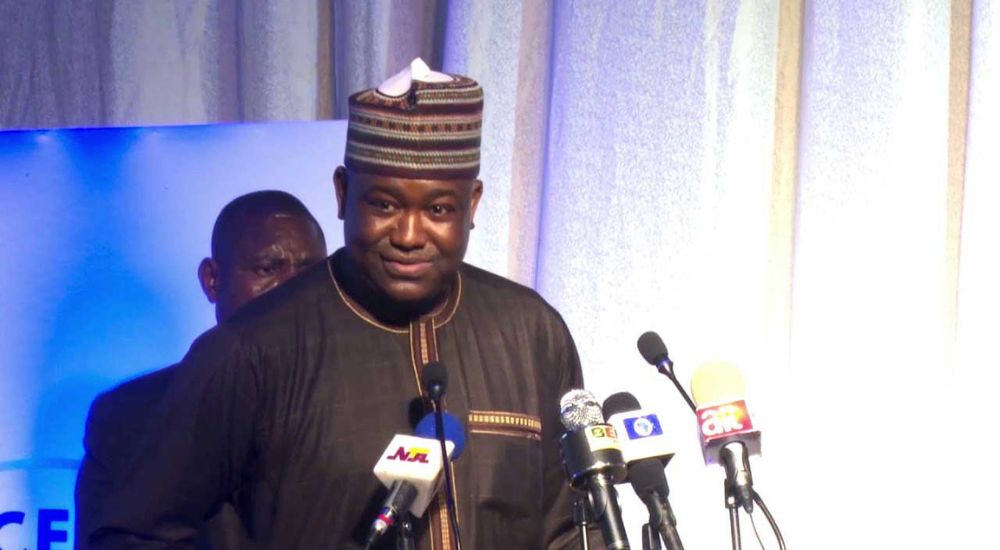
The All Progressives Congress (APC) on Tuesday unveiled its manifesto for the 2027 presidential election, defending President Bola Tinubu’s economic reforms while promising to translate them into improved living conditions for Nigerians.
However, Mr Tinubu was absent from the launch, where senior government officials and party members presented his administration’s policies as the foundation for the country’s economic recovery and future prosperity.
Speaking at the event, Femi Gbajabiamila, chief of staff (COS) to the president, described the manifesto as a contract between the government and Nigerians, saying the administration recognised that the benefits of its reforms had yet to reach many households.
“At the heart of this manifesto is an abiding conviction that every Nigerian should be able to share. Your country should give your best efforts a fair chance,” he said.
Mr Gbajabiamila acknowledged the economic difficulties Nigerians have experienced since Mr Tinubu assumed office in May 2023, particularly following the removal of the petrol subsidy and changes to the foreign exchange system.
He said the administration had deliberately confronted longstanding economic problems, despite the immediate consequences for households.
“Now, those decisions have placed real pressure on households. We must speak honestly about that experience because the people living through it deserve to be heard, and nobody should have to pretend that it’s easy,” he said.
He, however, defended the decisions, arguing that leaving the problems unresolved would have further weakened the country’s capacity to invest in its future.
According to him, Mr Tinubu chose to govern as a leader rather than as a politician concerned primarily about the next election.
“The difference between a politician and a leader is that whereas the politician thinks about the next election, the leader thinks about the next generation. That’s exactly what President Bola Ahmed did,” he said.
Mr Gbajabiamila, a former Speaker of the House of Representatives, said the new manifesto was intended to ensure that the opportunities created by the reforms translated into tangible improvements in the lives of Nigerians.
He identified the Nigerian Education Loan Fund (NELFUND), the government’s tax reforms and the Electricity Act as examples of policies intended to expand opportunities and improve public services.
He said the manifesto also commits the APC to halving the number of out-of-school children by 2031, installing seven million additional electricity meters and expanding health insurance coverage.
The COS said the party would also commit to publishing targets, identifying officials responsible for delivering them and regularly reporting progress to the public.
He urged Nigerians to scrutinise the document and hold the party accountable for its commitments.
“For those of us in public office, this is an obligation to work. The president’s determination must be matched by performance through government,” he said.
He added that the APC would seek Nigerians’ mandate in 2027 to consolidate the reforms and extend their benefits to more households.
Also speaking, the Minister of Solid Minerals Development and spokesperson for the APC Presidential Campaign Council, Dele Alake, described the unveiling as evidence of the party’s commitment to presenting its policies and programmes to Nigerians.
He said political parties had a responsibility to articulate their aspirations, objectives and reasons for seeking public office.
Mr Alake described the APC as Nigeria’s most organised and purposeful political party, arguing that no civilian administration since independence had undertaken reforms as extensive as those introduced by Mr Tinubu.
He challenged critics to a public debate over his assessment, insisting that the administration had confronted structural economic problems that previous governments had avoided.
“No other leader in the history of this country has looked at the structural economic problems of this country, and decided to take the bulls by the horns and confront those problems,” he said.
He cited the removal of the petrol subsidy and the changes to the foreign exchange system as examples of the president’s willingness to take politically difficult decisions.
According to him, the subsidy regime had benefited powerful interests through smuggling, over-invoicing and other practices at the expense of the country’s development.
He also argued that the previous foreign exchange system enabled individuals with privileged access to government officials and the Central Bank of Nigeria to obtain dollars at official rates and make substantial profits without contributing to productive economic activities.
Mr Alake said the Tinubu administration had taken steps to address these distortions, adding that the reforms had begun to attract recognition from international rating agencies and investors.
He rejected criticism that the government’s policies were benefiting wealthy Nigerians at the expense of poorer households, arguing that businesses and wealthy investors were important sources of employment and economic growth.
He also cited NELFUND as an example of the administration’s efforts to deliver direct benefits to ordinary Nigerians.
The minister also highlighted the solid minerals sector as an example of what he described as the impact of the administration’s economic diversification policies.


2027: Those Promising To Restore Petrol Subsidy Are Lying — Tinubu Tells Nigerians

2027: APC unveils manifesto, defends Tinubu’s reforms amid economic hardship

Whistleblowers Inside Federal Polytechnic Bida Say Results Were Sold For Years And National Diploma Records Altered For NYSC Mobilisation At N100,000 A Head, While The School Sacrificed Two Junior Staff And Shielded Its Own

Nigeria targets 90% functional health centres, 40% health insurance coverage by 2031

173,209 Retirees To Benefit From FG’s N52,500 Minimum Pension—PenCom

“Army’s Power To Investigate Civilians Challenged” — Businessman Drags Nigerian Army, COAS, AGF To Court, Demands ₦120m

Troops crush Boko Haram terrorists, rescue 3 kidnap victims in Adamawa

NERC Approves N30bn To Meter Unmetered Band A, B Customers

How Lagos Families Are Allegedly Buying Contaminated Meat In Dirty Conditions At Mushin, Oshodi, Mile 12, Surulere Markets

Delta records highest oil spill as nine incidents release nearly 130,000 litres of crude

Edo police kill three suspected kidnappers, rescue kidnapped victim

ADC, NDC, PDP decry attacks on opposition parties in Enugu

EFCC arraigns ALSCON, Russian director on N582.4 million money laundering charges
Tinubu Encouraging Political Indiscipline With Opposition Inclusion In Campaign Council — Olawepo-Hashim

Court rejects Euracare’s bid to halt inquest into Adichie’s son’s death

Nigerian University to honour Ghanaian President John Mahama today

 Special Reports7 days ago
ADC warns Sokoto govt, vows to hold governor responsible for intimidation, violence against opposition

 Special Reports6 days ago
United Nigeria Airlines Boss Receives Trailblazer In Aviation Award At Daily Times Centenary Celebration
- Top Stories5 days ago
“Courts Must Guard Their Independence, Impartiality And Integrity” — NDC Warns After Atiku’s Candidacy Is Nullified
- Politics6 days ago
“28 State Assemblies Have Approved The Bill” — NASS Moves To Transmit State Police Amendment To Tinubu For Assent
- Politics6 days ago
“Hospitals Must Assess Emergency Patients Within 15 Minutes” — Senate Advances Bill Proposing Six-Month Jail, ₦300,000 Fine
- Special Reports7 days ago
Fidelity Bank Deepens Creative Sector Support with CANEX WKND 2026 Partnership
-
 News6 days ago
“Destroying Campaign Posters Is A Criminal Offence” — IGP Disu Orders Nationwide Crackdown, Cites Criminal Code, Penal Code Ahead Of 2027 Elections
- Politics6 days ago
“State Police Bill Has Received The Backing Of 29 State Assemblies” — Kalu Announces Transmission As Senate Confirms 30 Approvals