Special Reports
ANALYSIS: COP31 puts climate finance, fossil fuel transition, energy ambitions to test


The COP31 summit comes at a critical time, as countries face increasing pressure to reduce greenhouse gas emissions and accelerate investment in clean energy.
Nearly 11 years after the adoption of the Paris Agreement, world leaders are preparing for another round of climate negotiations amid growing concerns that global commitments are not translating into action quickly enough to address the climate crisis.
The summit comes at a critical time, as countries face increasing pressure to reduce greenhouse gas emissions, accelerate investment in clean energy and protect communities already experiencing the effects of rising temperatures.
Yet some of the most difficult questions in international climate negotiations remain unresolved.
Who should pay for climate action? How quickly should countries move away from fossil fuels? And how can developing economies pursue economic growth while reducing emissions and protecting vulnerable populations?
These questions are particularly important for Nigeria and other African countries, where the consequences of climate change are becoming increasingly visible through flooding, drought, extreme heat and pressure on agricultural production.
Beyond the environmental consequences, the negotiations have implications for electricity access, public health, food security, employment and the ability of developing countries to attract investment in cleaner technologies.
COP31 is not expected to produce a single agreement comparable to the Paris Agreement. Instead, much of the work will centre on implementing existing commitments, resolving disagreements carried over from previous conferences and establishing clearer pathways for financing climate action.
The central test will be whether countries can move beyond repeated declarations and agree on practical measures that deliver measurable results.
One distinctive feature of COP31 is the arrangement between Türkiye and Australia, which will share responsibilities for organising and leading the conference.
Türkiye will host the summit, with its Minister of Environment, Urbanisation and Climate Change, Murat Kurum, serving as COP president. Australia’s Minister for Climate Change and Energy, Chris Bowen, will serve as president of negotiations.
The arrangement followed a compromise after both countries pursued competing bids to host the conference.
Under the agreement, Türkiye will oversee the presidency and action agenda, while Australia will lead the formal negotiations.
The partnership is significant because the two countries approach climate policy from different economic positions.
Türkiye is an emerging economy seeking to expand industrial development and energy security, while Australia is a developed economy with substantial fossil fuel production and exports.
Their leadership will therefore be tested by the same disagreements that have complicated previous climate summits, particularly those concerning fossil fuels, climate finance and the responsibilities of developed and developing countries.
The Turkish presidency has placed implementation, electrification, green industrial development and resilient infrastructure among its priorities.
One of its flagship initiatives is the 35-by-35 Global Electrification Pledge, which seeks to increase electricity’s share of global final energy consumption to 35 per cent by 2035, from just over 20 per cent.
The initiative is intended to encourage greater use of electricity in transport, buildings and industry, supported by cleaner power generation, modern electricity grids and energy storage.
However, the pledge forms part of the presidency’s voluntary action agenda rather than a binding agreement negotiated by all countries.
This distinction matters because announcements made by summit organisers do not automatically become obligations under the UN climate process.
The World Leaders Climate Action Summit, scheduled for 11 and 12 November, will provide an early indication of the political support available for these priorities.
Climate finance is likely to be among the most contentious issues in Antalya.
Developing countries have long argued that they cannot be expected to reduce emissions and adapt to climate impacts without substantial financial support from wealthier nations, which bear greater historical responsibility for greenhouse gas emissions. This principle is reflected in Article 9 of the Paris Agreement, which requires developed countries to provide financial resources to support developing countries’ mitigation and adaptation efforts.
At COP29 in Baku, Azerbaijan, in 2024, countries agreed that developed nations should take the lead in mobilising at least $300 billion annually in climate finance for developing countries by 2035. The agreement also called for efforts to scale up finance from all public and private sources to at least $1.3 trillion annually by the same year.
The two figures are not interchangeable. The $300 billion target is the new collective finance goal led by developed countries, while the wider $1.3 trillion ambition is expected to draw on a broader range of sources, including private investment.
For developing countries, the concern is whether the money will be available on affordable terms and reach the communities and sectors most exposed to climate risks.
A major disagreement concerns the responsibility of developed countries to provide financial resources under the Paris Agreement.
Developing countries want discussions to address these obligations, particularly the provision of public finance. Some wealthier countries favour a broader approach that includes improving access to finance and expanding the range of contributors.
For Nigeria, the funding needs are substantial.


Bishop T.A. Emmanuel: Celebrating a Life of Faith, Service and Divine Purpose

ANALYSIS: COP31 puts climate finance, fossil fuel transition, energy ambitions to test

FG Fails To Publish One-Year Revenue Report

Police commissioner warns officers against unlawful detention, abuse of power

Ministry of Finance Spent ₦19.7 Million on Foreign Trips Without Required Approval, Review Finds
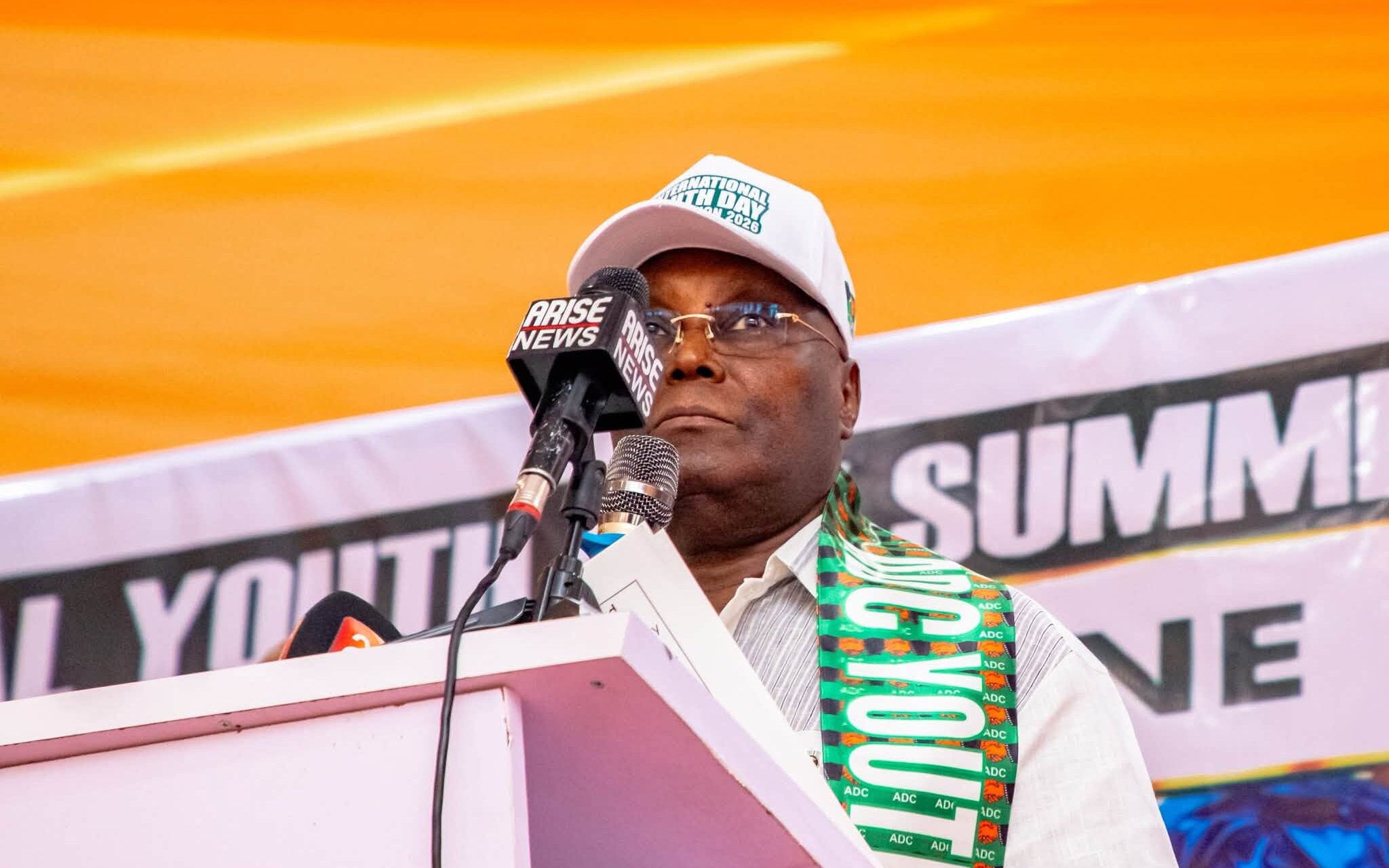
PT State of the Race: Atiku’s 2027 ambition caught in ADC’s survival battle

Union Bank, Partners Recognise Outstanding Educators and Commission Digital Learning Centre in Abuja

Nigerian Army destroys suspected criminal hideouts in Old Oyo National Park

Ogaga Ifowodo wins $100,000 Nigeria Prize for Literature

How Lagos Families Are Allegedly Buying Contaminated Meat In Dirty Conditions At Mushin, Oshodi, Mile 12, Surulere Markets

UK migrant workers wear chains, sing Asa’s ‘Jailer’ to protest proposed visa reforms

Emirates Holidays unveils Thailand Pass, unlocking exclusive perks and savings for holidaymakers

Man Loses Two Properties, N8m In N132m Money Laundering Case

NLO warns clubs, players against participation in unapproved Private Leagues

At TEDxEnugu, Gov Soludo Harps On Ndigbo Transiting From Individual Success To Building Collective Institutions

Pantami reacts after INEC omits his name from Gombe governorship candidates list

 Special Reports5 days ago
ADC warns Sokoto govt, vows to hold governor responsible for intimidation, violence against opposition

 Special Reports7 days ago
Health Review: Ebola case, child malnutrition, medicine security, other developments that shaped October
- Special Reports6 days ago
2027: PDP expels aspirants challenging Pantami’s candidacy as Gombe governorship candidate
- Investigations6 days ago
WEMA BANK SETS NOVEMBER 6 FOR HACKAHOLICS 7.0 GRAND FINALE, UNVEILS “FESTIVAL OF THE FUTURE” AS THEME
- Special Reports5 days ago
United Nigeria Airlines Boss Receives Trailblazer In Aviation Award At Daily Times Centenary Celebration
- Top Stories3 days ago
“Courts Must Guard Their Independence, Impartiality And Integrity” — NDC Warns After Atiku’s Candidacy Is Nullified
- News7 days ago
NAFDAC’s regulatory reforms offer model for Africa – Adeyeye
- Special Reports7 days ago
Failure to prosecute electoral offenders, threat to free, fair elections, says NHRC