Special Reports
Ebola: Why Nigeria evacuated patient to Switzerland – NCDC

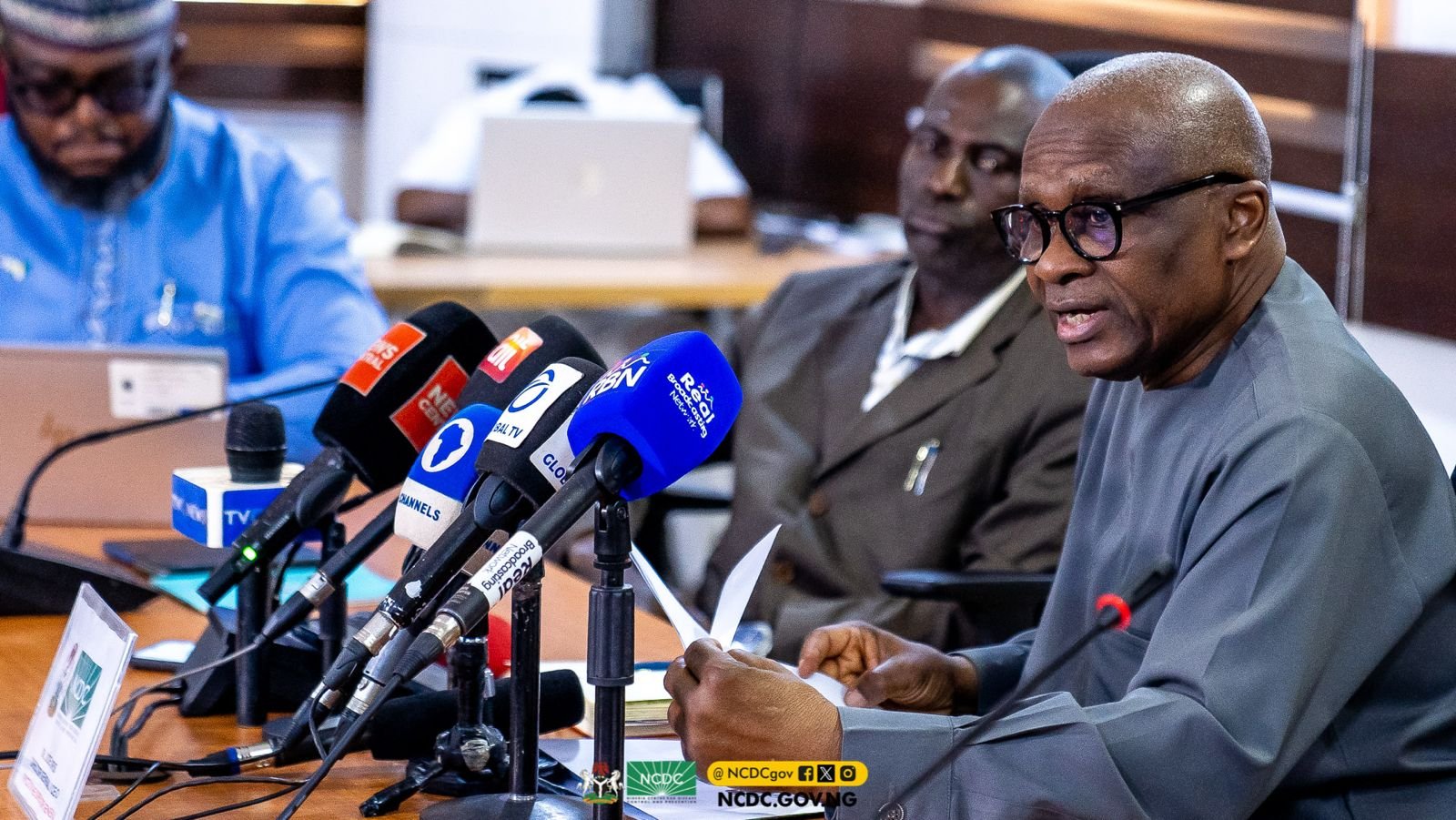
Speaking on Channels Television’s Politics Today on Monday, Mr Idris said the federal government approved the transfer after consultations with the Coordinating Minister of Health and Social Welfare, Muhammad Pate.
Nigeria’s decision to evacuate its confirmed Ebola patient to Switzerland was based on diplomatic considerations, human rights and international health regulations, the Director-General of the Nigeria Centre for Disease Control and Prevention (NCDC), Jide Idris, has revealed.
The clarification follows an earlier report that the patient, a woman who is the wife of a Swiss diplomat in Nigeria, was evacuated through the private jet wing of the Nnamdi Azikiwe International Airport in Abuja.
Mr Idris dismissed suggestions that the government had secretly removed the patient from Nigeria, saying the evacuation followed a formal request from the Swiss Embassy.
“I won’t use the word ‘snuck out’. That’s a no-brainer. It is the first time something like that has happened,” he said.
He said the government weighed the implications of the transfer for public health, international health regulations and the patient’s rights before granting approval.
According to him, officials ensured that infection prevention and control protocols were followed from the hospital where the patient was receiving treatment to the aircraft that transported her.
Mr Idris said the patient had tested positive twice before her evacuation, explaining that improvements in her clinical condition did not necessarily mean she had cleared the virus.
He commended the Nigerian medical team for stabilising her condition, which he said had deteriorated to the point of multiple organ failure.
“There are no drugs to deal with this virus,” Mr Idris said, referring to the absence of an established antiviral treatment specifically targeting the Bundibugyo virus responsible for the current outbreak.
Mr Pate earlier confirmed that Nigeria’s Ebola patient and her husband arrived safely in Switzerland on Monday following their medical evacuation from Abuja.
In an update posted on his official X account, Mr Pate said the patient was receiving treatment at Geneva University Hospitals, while her husband had been placed in isolation at University Hospital Zurich.
“The Swiss authorities have confirmed that the patient and her spouse arrived safely in Switzerland today,” he said.
Nigeria confirmed its first Ebola case on 20 October, after a 42-year-old Ugandan-born woman living in Abuja tested positive for the disease.
The patient had returned to Nigeria on 3 October after travelling to Uganda and developed symptoms few days later.
She was subsequently admitted to a health facility in Abuja, where she received treatment in isolation before her evacuation to Switzerland on Monday.
Following her evacuation, the World Health Organisation (WHO) said Nigeria had no active confirmed Ebola cases, although contact monitoring and other containment measures were continuing.
The WHO said Nigeria was continuing to monitor 52 contacts, while Switzerland had taken responsibility for the patient’s care and monitoring her husband, who was among the 53 contacts previously identified.
The NCDC had earlier identified 53 primary contacts linked to the confirmed case, including healthcare workers, the patient’s husband, domestic staff and personnel involved in collecting samples.
Health authorities are monitoring the contacts for possible symptoms to detect any additional infections and prevent further transmission.
Mr Pate had earlier said Nigeria could declare the Ebola outbreak over as early as 7 December if no further confirmed or probable cases were detected.
Mr Idris urged Nigerians to maintain good hand hygiene and exercise caution during mass gatherings, particularly where close physical contact could occur.
He said handwashing could reduce the spread of several infectious diseases, while recommending measures to limit unnecessary physical contact in crowded settings.
However, he stressed that Ebola is not airborne. The virus spreads primarily through direct contact with the blood or other bodily fluids of an infected person, or with contaminated materials.
He advised people who develop symptoms consistent with Ebola, particularly after contact with a suspected or confirmed case, to seek prompt medical guidance.
Mr Idris also cautioned against relying on herbal mixtures to prevent or cure the disease, saying there was no established evidence that such preparations could prevent or treat Ebola. He warned that some herbal products could also cause harmful side effects.


PDP speaks on Tinubu’s claim opposition caused hunger, poverty

How Did Tinubu Graduate Before the School He Attended Was Established? — Atiku Camp Replies Shettima

Otti celebrates Ebitu Ukiwe at 86, urges Nigeria to recognise his contribution to democracy

Ebola: Why Nigeria evacuated patient to Switzerland – NCDC

Constitutional Amendment: Ondo Assembly passes state police bill

Council chairman sponsors Igbo-Eze South youths for aviation training

Atiku Studied Hygiene But Can’t Differentiate Between Ebola And Flu — Shettima

2027: Otti sets up Abia Labour Party campaign advisory council

INVESTIGATION: How Anthony Kila falsified all his academic qualifications – from Bachelor’s to Doctorate

Customer Service Week: Inside How Jumia Is Using Technology To Go The Extra Mile For Shoppers

Google opens AI-content detector to enable verification

Kayefi headlines Tales & Tunes as ID Cabasa leads music direction in Sheffield

How Houthi military aggression in Red Sea threatens Africa

How Lagos Families Are Allegedly Buying Contaminated Meat In Dirty Conditions At Mushin, Oshodi, Mile 12, Surulere Markets

Ogaga Ifowodo wins $100,000 Nigeria Prize for Literature

UK migrant workers wear chains, sing Asa’s ‘Jailer’ to protest proposed visa reforms

 Investigations6 days ago
Emirates explores a range of new innovations for customers with accessible travel requirements at AccessAbilities Expo, Dubai 2026
- Special Reports7 days ago
Orie Uga Market Traders To Hold Mega Rally For APGA, Set To Endorse Dr. Chibueze Ofobuike For House Of Reps
- Special Reports7 days ago
NIMASA DG Dayo Mobereola Squanders N6.77 Billion On Cleaning, Hospital Bills And Imprest Including N1 Billion To Maintain Its London Office In Just One Year
- Special Reports7 days ago
Igbo Speaking Community Lagos Suspends Crowning Of Ezendigbo As New Executives Vow To Restore Past Glory
- News6 days ago
Lagos Alone Cannot Afford Fourth Mainland Bridge — Hamzat
- Special Reports7 days ago
FRSC orders probe into Otedola bridge tanker inferno

 Special Reports7 days ago
Abandoned newborn rescued at Plateau mining site
- Special Reports7 days ago
Nigeria vs Puerto Rico Preview: Flamingos target first win at 2026 FIFA U-17 Women’s World Cup