Special Reports
‘I have a duty to serve Nigeria, and I will’ — Adesina tells Tinubu

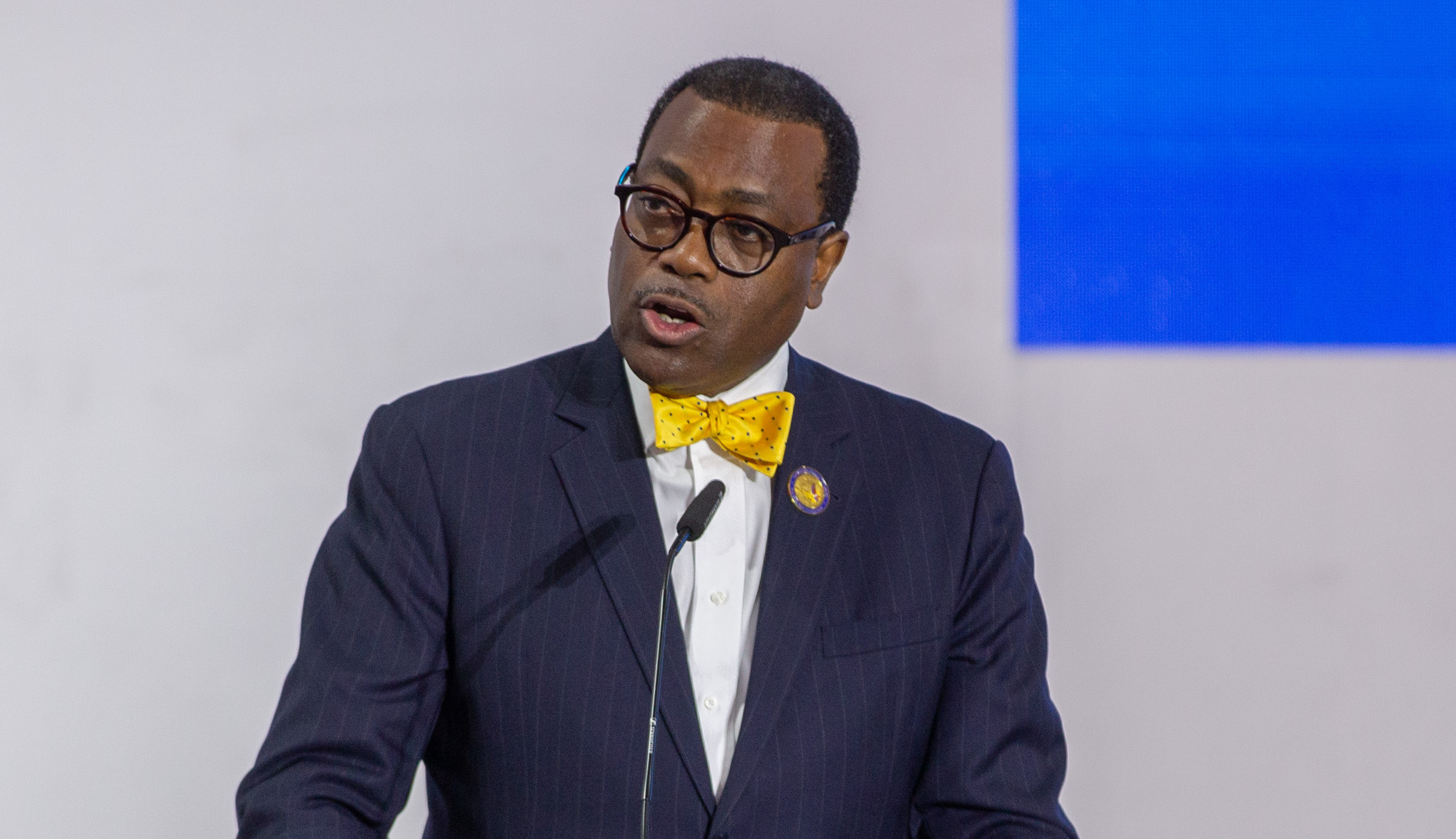
The former African Development Bank president says he is willing to support Nigeria in any capacity, but insists he is not seeking a government job.
Former President of the African Development Bank (AfDB), Akinwumi Adesina, has declared his readiness to serve Nigeria in any capacity, saying he has a duty and responsibility to contribute to the country’s development.
“I’m fully able to help Nigeria in any capacity. I’ve always had that. You know, my heart is always at home,” he told journalists after the meeting.
Asked what role he could play, Mr Adesina said he would help in any capacity the president considered appropriate, but stressed he was not seeking a government appointment.
“I’m not looking for a job. I’m not looking for anything. I’m just here to help. It’s my country. I have a duty, an obligation, and a responsibility to do so, and I will,” he said.
There was no announcement of a specific role or appointment for the former AfDB president following the meeting.
Mr Adesina, an agricultural economist, served as Nigeria’s minister of agriculture and rural development from 2011 to 2015 under former President Goodluck Jonathan before becoming the first Nigerian to lead the AfDB.
He was elected president of the bank in May 2015 and re-elected for a second five-year term in August 2020. His tenure ended in 2025.
As agriculture minister, he championed reforms to the distribution of subsidised farm inputs, including an electronic-wallet system that let farmers receive support for seeds and fertiliser via mobile phones.
The AfDB said the programme reached 15 million farmers within its first four years. The initiative was intended to improve access to agricultural inputs while reducing the role of intermediaries in their distribution.
At the AfDB, Mr Adesina oversaw the institution’s development agenda, which included expanding electricity access, improving food security, industrialising African economies, promoting regional integration and improving living standards.
During his leadership, the bank’s general capital increased from $93 billion to $208 billion in 2019, following a decision by its shareholders, the largest capital increase in the institution’s history at the time.
At the meeting, Mr Adesina said the AfDB provided about $7 billion in financing to Nigeria between 2015 and 2025.
He compared this with the $11.1 billion in cumulative financing the bank had provided to Nigeria since it began operations in the country in 1971.
“Within 10 years, we were able to do 63 per cent, literally, of that,” he said, adding that President Tinubu was pleased with the bank’s support to Nigeria during his tenure.
Mr Adesina said he used the meeting to commend the president for his economic reforms, particularly the removal of the petrol subsidy and the harmonisation of the foreign exchange windows.
He described the measures as difficult but said they were beginning to produce results.
He cited increased foreign exchange availability, the return of portfolio investors and a downward trend in inflation as signs of progress. However, he acknowledged that prices remained high for Nigerians.
He also pointed to improved assessments of Nigeria by some international rating agencies, saying the country’s outlook had shifted towards stable or positive assessments.
The comments come amid ongoing debate over the impact of the Tinubu administration’s economic reforms, including higher fuel costs after the removal of the petrol subsidy and changes to the foreign exchange market.
Although the government has defended the measures as necessary to stabilise the economy, the higher cost of living has continued to put pressure on households and businesses.
Mr Adesina said stabilising the economy was only the beginning, arguing that Nigeria must now focus on structural transformation, economic growth and prosperity.
He said President Tinubu recognised the need to move beyond macroeconomic reforms and address the broader challenge of transforming the economy.
“I told the president, I’m back at home, here to help and ready to help. It’s my country. I love my country, and I’m ready to help,” he said.
His offer comes after a decade leading one of Africa’s major development finance institutions, a period during which the bank financed projects and programmes across sectors including agriculture, energy, transport and infrastructure.
Mr Adesina’s meeting with the president also gave him an opportunity to formally brief the president on the completion of his two terms and the achievements recorded during his leadership of the bank.
He said he was honoured to have been received by the president and was pleased with the report he presented.
While Mr Adesina did not specify how he might contribute to Nigeria’s development, he said he was prepared to do so whenever the president believed his experience could be useful.
“It’s my country. I have a duty, an obligation, and a responsibility to do so, and I will,” he said.


2027: Ex-Reps Member Ganiyu Johnson Mobilizes Support For Tinubu, Hamzat and All APC Candidates

‘I have a duty to serve Nigeria, and I will’ — Adesina tells Tinubu

‘I will forever miss you’ – Toluwanisings’ wife breaks down in tears at night of tributes

Niger Delta Elders Reveal Position on Preferred Candidate for 2027
Police rescue 29 kidnap victims, arrest 34 foreigners in Benue – Official

AAAI Lagos Chapter Advances Anioma Unity, Cultural Heritage, Empowerment At Iwaji Festival

NCGC guarantees N64.13bn loans to businesses, individuals

Sokoto Assembly okays establishment of state police

INVESTIGATION: How Anthony Kila falsified all his academic qualifications – from Bachelor’s to Doctorate

Customer Service Week: Inside How Jumia Is Using Technology To Go The Extra Mile For Shoppers

Google opens AI-content detector to enable verification

Kayefi headlines Tales & Tunes as ID Cabasa leads music direction in Sheffield

How Houthi military aggression in Red Sea threatens Africa

How Lagos Families Are Allegedly Buying Contaminated Meat In Dirty Conditions At Mushin, Oshodi, Mile 12, Surulere Markets

Ogaga Ifowodo wins $100,000 Nigeria Prize for Literature

UK migrant workers wear chains, sing Asa’s ‘Jailer’ to protest proposed visa reforms

 Top Stories6 days ago
“The Task Force Is On Top Of It, NCDC Is On Top Of It” — FG Assures Nigerians Of Capacity To Contain Ebola
- Special Reports7 days ago
Kenya confirms ninth Ebola case, says all patients improving
- Special Reports7 days ago
18-Year Old Arraigned In Court For Allegedly Stealing N30m Jewelries In Popular Lagos Estate
- Special Reports6 days ago
Dangote To Nigerian Creatives: Africa Must Build Its Own Prosperity
- Special Reports7 days ago
Champions League: Lookman, Ayaosi shine as PSG end Barcelona’s winning run
- News7 days ago
Abia Tertiary Sports Fiesta Begins November As Otti Receives Unity Torch

 Politics7 days ago
Tinubu Will Impose Fuel Tax On Nigerians If Re-elected In 2027 – ADC
- Special Reports7 days ago
Lagos Drowns In Waste As LAWMA Crisis Deepens: Heaps Take Over Streets, Residents Fear Disease