Special Reports
Seven UNIJOS professors vie for VC seat amid student welfare concerns


Seven professors are seeking to succeed Vice-Chancellor Tanko Ishaya as questions persist over infrastructure, accessibility, and student welfare at the University of Jos.
Seven professors are vying to become the next Vice-Chancellor of the University of Jos (UNIJOS), Plateau State, as incumbent Tanko Ishaya’s tenure nears its end.
The investigation found that the hostel lacked basic accessibility features, including ramps and grab rails in its bathrooms. It also documented poor sanitation, overgrown bushes and uneven pathways that make movement difficult for wheelchair users and visually impaired students.
The report also found that students with disabilities struggle to access lecture halls and other facilities without assistance from colleagues, raising concerns about the university’s compliance with the Discrimination Against Persons with Disabilities (Prohibition) Act, 2018.
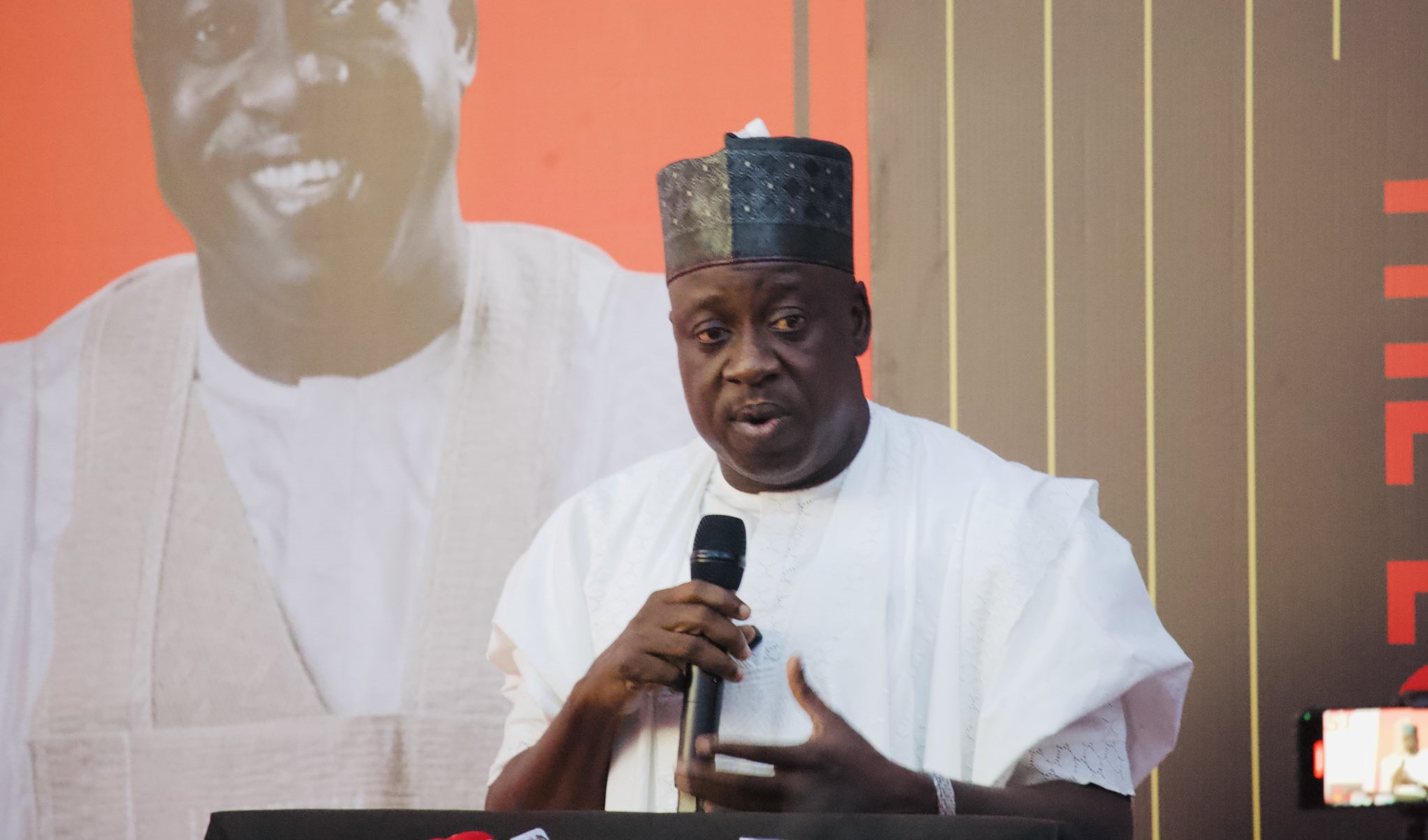
The seven candidates presented their visions for the university on Monday during a stakeholders’ interaction organised by the university’s Advancement Office and the Academic Staff Union of Universities (ASUU) at the union’s secretariat, Naraguta Campus.
They are Professors Ikonne Ogaji, Victor Duga, Sati Fwatshak, Anthony Dakum, Patricia Lar, Bernard Matur, and Simon Yiltok.
The candidates took turns outlining their plans and responding to questions from participants on how they intended to manage the university if appointed.
In his welcome address, ASUU Chairman Joseph Molwus said the interaction was organised to ensure university stakeholders took an active role in the institution’s future.
“Our distinguished keynote speakers, panellists and co-host, the Executive Director, Advancement Office, University of Jos; distinguished guests, ladies and gentlemen; our dear comrades from ASUU and other unions; and our community leaders, I warmly welcome you to this very important event in the history of the University of Jos,” he said.
Mr Molwus commended the committee chaired by Okechukwu Great for organising the event in collaboration with the Advancement Office.
“The culmination of these efforts is what we are witnessing here today in the form of this interaction, which we consider very important,” he said.
Mr Ishaya became vice-chancellor in December 2021, and his tenure is scheduled to end in November 2026.
During his administration, the university has pursued academic expansion, research development and infrastructure projects.
However, the conditions documented in the PREMIUM TIMES investigation raise questions about the extent to which the needs of students with disabilities have been addressed.
The investigation found that students at Village Hostel struggle with basic activities, including using the bathrooms and moving around the hostel compound. Some depend on their colleagues to access lecture halls and other facilities.
One wheelchair user, identified as Monica Joseph* in the report, said she crawls into the bathroom because there is no ramp or other accessibility feature to accommodate her wheelchair.
The investigation also found that the university’s existing buildings were expected to comply with the accessibility requirements of the Discrimination Against Persons with Disabilities (Prohibition) Act. The law’s five-year transition period for existing public buildings to make the required modifications expired in January 2024.
After the investigation was published, the Dean of Student Affairs, Chris Piwuna, acknowledged the maintenance problems at Village Hostel but said the university had made several interventions to improve conditions for students with disabilities.
Speaking with PREMIUM TIMES, Mr Piwuna said the university had repaired some hostel doors and window fittings, fixed a borehole near the facility and worked on parts of the compound affected by flooding. He also said two staff members had been assigned to attend to students with disabilities.
He admitted, however, that the hostel still needed further improvements, describing maintenance as a persistent challenge for universities.
“Nobody is arguing that the hostel is at the level that it should be. No, that’s not what I’m saying,” he said, adding that the university needed to do more.
“Reports such as yours could always put us on our toes,” he added.
However, Mr Piwuna did not provide a timeline for renovating the hostel, installing accessibility features or addressing the barriers documented in the investigation. He also did not explain how the university had spent the facility improvement fees paid by students.
The Students’ Union Government had earlier told PREMIUM TIMES that it repeatedly wrote to the university management about poor hostel conditions, including inaccessible toilets, leaking roofs and areas prone to flooding.
The investigation and the dean’s subsequent response highlight the need for the incoming administration to address the remaining accessibility gaps and improve living conditions for students with disabilities.
Also speaking at Monday’s interaction, a former Vice-Chancellor of Karl Kumm University, Nanven Gambo, delivered a presentation titled “Governance, integrity, and inclusivity: Vision, mission, academic leadership and innovation”.
He challenged the candidates to explain how they would exercise authority and manage the university’s affairs if appointed.
“I believe that you have contributions to make to the growth and development of the university. The University of Jos is a second-generation university, and therefore, the demands are quite heavy, very heavy,” he said.
He asked the candidates how they intended to use the authority attached to the office to advance the institution.
“You are given instruments of power, instruments of authority. How do you manage that? How do you handle that to grow the university from where you have taken over to where you want it to be? I think that underscores the importance of governance,” he said.


Flamingos: NSC DG, Olopade Accuses Peter Obi of Lying, Disorderliness

Seven UNIJOS professors vie for VC seat amid student welfare concerns

NFF suspends two referees as crackdown continues against bad officiating

Ogun approves key road projects, advanced MRI machine to boost healthcare

Otti’s N5bn Suit: Ubani Invented Facebook Hacking Defence, Witness Tells Court

Senator Adeola Pledges To Prioritise Rural Development in Ogun State

2027: Sen Ndume Threatens to Ban ADC From Gwoza, Borno State

Nigerian lawmakers donate ₦100 million to victorious Flamingos

How Lagos Families Are Allegedly Buying Contaminated Meat In Dirty Conditions At Mushin, Oshodi, Mile 12, Surulere Markets

Delta records highest oil spill as nine incidents release nearly 130,000 litres of crude

Edo police kill three suspected kidnappers, rescue kidnapped victim

ADC, NDC, PDP decry attacks on opposition parties in Enugu

EFCC arraigns ALSCON, Russian director on N582.4 million money laundering charges

Tinubu Encouraging Political Indiscipline With Opposition Inclusion In Campaign Council — Olawepo-Hashim

Court rejects Euracare’s bid to halt inquest into Adichie’s son’s death

Nigerian University to honour Ghanaian President John Mahama today

 Special Reports7 days ago
ADC warns Sokoto govt, vows to hold governor responsible for intimidation, violence against opposition

 Special Reports6 days ago
United Nigeria Airlines Boss Receives Trailblazer In Aviation Award At Daily Times Centenary Celebration
- Top Stories5 days ago
“Courts Must Guard Their Independence, Impartiality And Integrity” — NDC Warns After Atiku’s Candidacy Is Nullified
- Politics6 days ago
“28 State Assemblies Have Approved The Bill” — NASS Moves To Transmit State Police Amendment To Tinubu For Assent
- Special Reports7 days ago
Fidelity Bank Deepens Creative Sector Support with CANEX WKND 2026 Partnership
- Politics6 days ago
“Hospitals Must Assess Emergency Patients Within 15 Minutes” — Senate Advances Bill Proposing Six-Month Jail, ₦300,000 Fine
-
 News6 days ago
“Destroying Campaign Posters Is A Criminal Offence” — IGP Disu Orders Nationwide Crackdown, Cites Criminal Code, Penal Code Ahead Of 2027 Elections
- Politics6 days ago
“State Police Bill Has Received The Backing Of 29 State Assemblies” — Kalu Announces Transmission As Senate Confirms 30 Approvals