News
Betara Offers N1.06bn To Borno Apc Lawmakers, Candidates


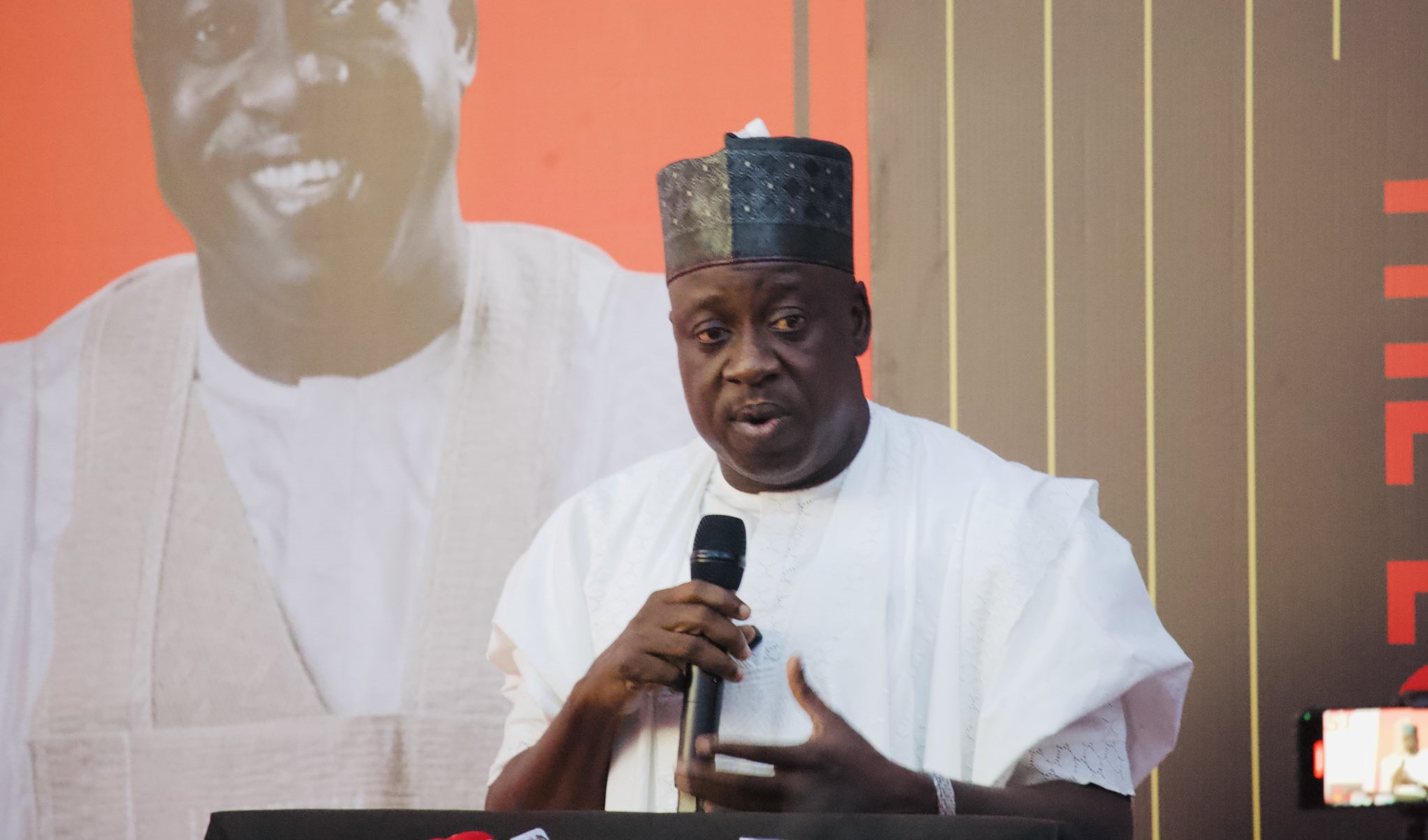
A member of the House of Representatives, Muktar Betara Aliyu, has announced N1.06bn in financial support for All Progressives Congress (APC) candidates and outgoing lawmakers in Borno State, raising questions about the source of the funds and compliance with electoral campaign finance regulations.
The pledge, announced on Sunday in Maiduguri during the inauguration of the Borno State APC Campaign Council, has drawn criticism from analysts who warn that huge political donations could encourage corruption and undermine accountability in public office.
Betara, who represents Biu/Bayo/Shani/Kwaya Kusar Federal Constituency, said 10 APC candidates and outgoing members of the House of Representatives would receive N50m each, amounting to N500m.
He also pledged N20m each to 28 APC candidates and outgoing members of the Borno State House of Assembly, bringing the second allocation to N560m.
The total package amounts to N1.06bn.
According to the lawmaker, the financial support is intended to strengthen the party’s structures and mobilise grassroots support ahead of the 2027 general elections.
He urged party stakeholders to reconnect with their constituents and seek their support.
“We can’t win elections from elsewhere. We should go back to our people at the grassroots, seek their forgiveness, and canvass support for our party candidates from the presidency down to the state assembly,” he said.
Who is Betara?
Betara, an accountant by training, was first elected to the House of Representatives in 2007 and has since been re-elected across the 6th, 7th, 8th, 9th and 10th National Assemblies.
He chaired several committees, including the Army Committee in the 7th Assembly, Defence Committee in the 8th Assembly and Appropriations Committee in the 9th Assembly.
The lawmaker has also been associated with development projects across Borno State, including township roads in Biu and neighbouring local government areas, health centres, ambulances, mini-stadia and the installation of more than 600 solar-powered streetlights.
His initiatives reportedly include support for medical procedures, youth empowerment programmes and local businesses.
Analysts demand scrutiny
The N1.06bn pledge has raised questions among political analysts over the source of the funds and the implications of large-scale political donations for public accountability.
A political analyst, Dr Lawan Cheri, said the amount warranted scrutiny, arguing that it was significantly higher than the cumulative legitimate salary and allowances of a parliamentarian.
“I don’t see any fault in people asking the fundamental question of: Where did he get the money from? And what are the implications of that on the fight against corruption?” he asked.
Cheri warned that large donations by politicians could be treated as investments rather than acts of generosity, potentially undermining public service delivery.
“People will try to recoup what they invested, and this will result in failing to provide the services needed by communities,” he said.
He argued that politicians who spend heavily on campaigns and donations might seek to recover such investments after assuming public office, either directly or through political influence.
Cheri also criticised what he described as inadequate monitoring and regulation of political spending by the Independent National Electoral Commission (INEC), warning that the consequences could extend beyond elections to governance.
“If INEC is not controlling such spending, it will have implications on governance itself, not only politics, because it will be viewed as a political investment,” he said.
Another public affairs analyst, Dr Alhaji Ahmadu Ibrahim, urged regulatory agencies and other stakeholders to address the trend to protect the integrity of Nigeria’s democracy.
“I have never seen politicians spending money like this time. N1 billion donations by a House of Representatives member who has no record of business or a wealthy background? It calls for scrutiny.
“All these things should be considered to save the face of democracy in the country,” he said.
What the Electoral Act says about campaign donations
The Electoral Act 2026, which repealed and replaced the 2022 law, contains provisions regulating political contributions, campaign spending and disclosure of donations.
Section 91 empowers INEC to set limits on the amount of money or assets an individual can contribute to a political party or candidate. It also authorises the commission to demand information on the amount donated and the source of the funds.
Under Section 92(8), an individual or entity must not donate more than N500m to an individual candidate. Anyone who knowingly breaches the provision is liable, upon conviction, to a fine of five times the amount donated above the prescribed limit under Section 92(10).
The Act also limits campaign expenditure to N250m for House of Representatives candidates and N100m for State House of Assembly candidates.
In addition, Section 94 prohibits political parties from accepting anonymous monetary or other contributions. It requires parties to maintain records of all donations and disclose the names and addresses of individuals or entities whose contributions exceed N100m.
The provision further requires political parties sponsoring candidates to submit reports of contributions received from individuals and entities to INEC within three months after the announcement of election results.
However, the N1.06bn announced by Betara does not automatically constitute a breach of the N500m donation ceiling, as the money is being distributed among several beneficiaries.
The legal implications would depend on the nature of the payments, whether they are donations to individual candidates or contributions to the party, and how the funds are documented and disclosed.
The law’s provisions on the source of funds and political contributions nevertheless provide a basis for scrutiny of the pledge, particularly given the concerns raised by analysts over its origin and possible implications for governance.



Kano Firm Alleges N2bn Land Takeover From Govt

Trump says Iran war ‘effectively over’

FCT Lottery Regulatory Office: Public notice to gaming operators and the general public

Betara Offers N1.06bn To Borno Apc Lawmakers, Candidates

Lagos Man, 51, Arraigned Over Alleged N33m Rent Fraud

Tompolo donates 50 vehicles for Tinubu’s campaign in Enugu, Cross River

Presidential aide lists campaign promises fulfilled in Jigawa as residents speak on Tinubu’s visit

Igbonine Assembly Hails Posting Of CP Ogarabe To Enugu

How Lagos Families Are Allegedly Buying Contaminated Meat In Dirty Conditions At Mushin, Oshodi, Mile 12, Surulere Markets

Suspect arrested over farmer’s killing, kidnapping in Niger

Delta records highest oil spill as nine incidents release nearly 130,000 litres of crude

Alleged N60m Oshodi Recruitment And Visa Scam: 2 Company Staff Arraigned In Lagos

Nine die in Benue attacks, days after Otukpo killings

Two Arraigned For Alleged Theft Of N7.9 Million At Investment Firm In Lagos

Troops rescue 50 abductees, kill 36 terrorists in 1 week

Edo police kill three suspected kidnappers, rescue kidnapped victim

 Special Reports6 days ago
ADC warns Sokoto govt, vows to hold governor responsible for intimidation, violence against opposition

 Special Reports5 days ago
United Nigeria Airlines Boss Receives Trailblazer In Aviation Award At Daily Times Centenary Celebration
- Top Stories4 days ago
“Courts Must Guard Their Independence, Impartiality And Integrity” — NDC Warns After Atiku’s Candidacy Is Nullified
- Politics6 days ago
“28 State Assemblies Have Approved The Bill” — NASS Moves To Transmit State Police Amendment To Tinubu For Assent
- Special Reports6 days ago
Fidelity Bank Deepens Creative Sector Support with CANEX WKND 2026 Partnership
- Politics5 days ago
“Hospitals Must Assess Emergency Patients Within 15 Minutes” — Senate Advances Bill Proposing Six-Month Jail, ₦300,000 Fine
-
 News5 days ago
“Destroying Campaign Posters Is A Criminal Offence” — IGP Disu Orders Nationwide Crackdown, Cites Criminal Code, Penal Code Ahead Of 2027 Elections
- Politics5 days ago
“State Police Bill Has Received The Backing Of 29 State Assemblies” — Kalu Announces Transmission As Senate Confirms 30 Approvals