News
Kaduna Generates N90bn, Targets N120bn IGR In 2026

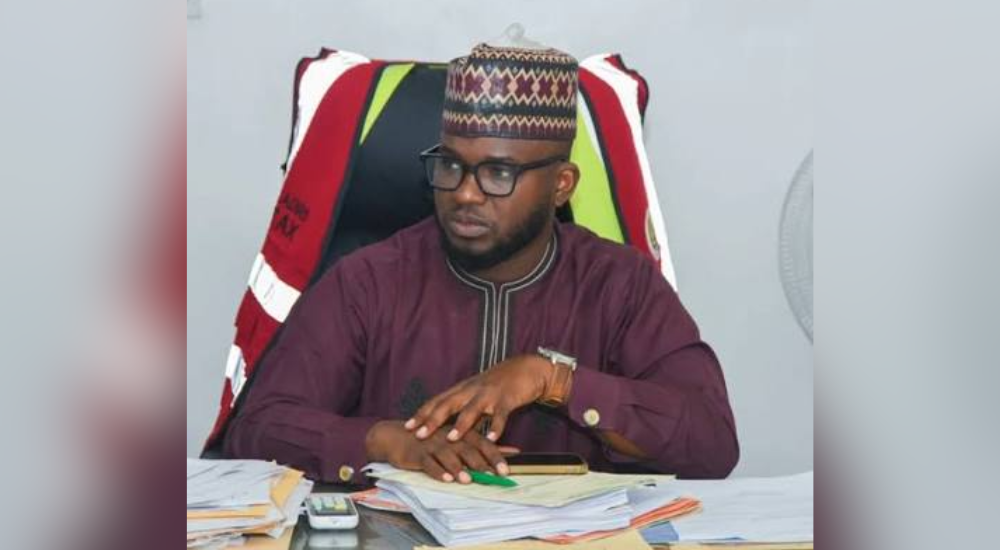
Kaduna State has generated about N90 billion in internally generated revenue (IGR), leaving it N30 billion short of its N120 billion target for 2026, the state government has disclosed.
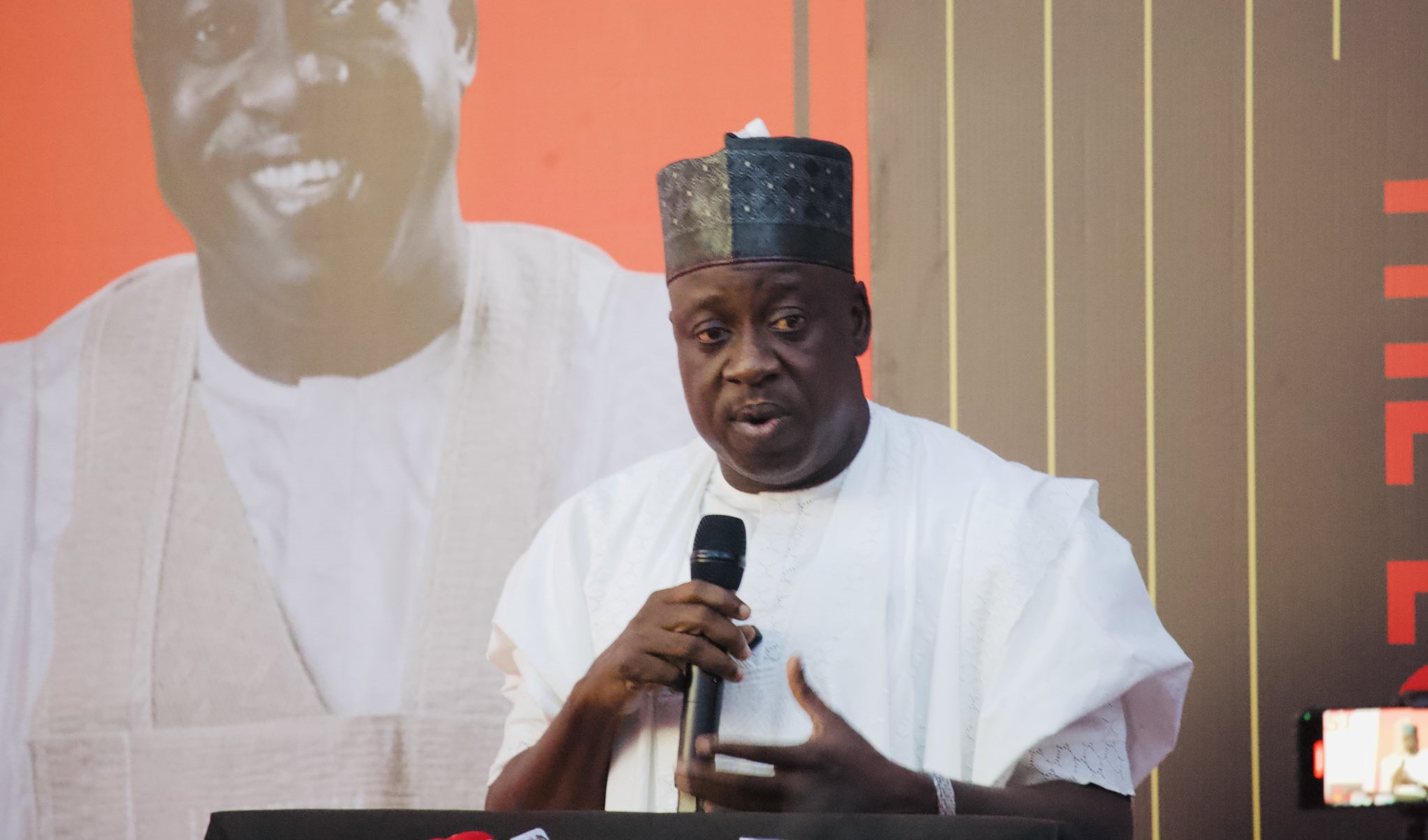
The Acting Executive Chairman of the Kaduna State Internal Revenue Service (KADIRS), Dr Mohammed Lawal, disclosed this on Thursday at the agency’s third-quarter stakeholders’ engagement in Kafanchan.
Lawal expressed optimism that the state would surpass N100 billion by the end of the year and eventually meet its N120 billion revenue target.
The engagement focused on leveraging the Nigeria Tax Act 2025 and Nigeria Tax Administration Act 2025 to improve revenue generation, taxpayers’ experience and data compliance in the state.
Lawal attributed the growth in revenue collections to successive tax reforms and improvements in the state’s revenue administration system.
He recalled that Kaduna generated about N12 billion annually before the introduction of major tax reforms approximately 10 years ago.
According to him, the state recorded more than N86 billion in revenue collections in 2025, representing a significant improvement in its revenue mobilisation.
The KADIRS boss said stakeholder engagement had become a permanent feature of the agency’s administrative processes to obtain feedback and address challenges associated with taxation.
He explained that Kaduna had implemented three major tax reforms within the last decade, beginning with the 2016 Tax Codification and Consolidation Law.
Lawal said the 2016 reform abolished cash collections, introduced technology into revenue administration and reduced the state’s revenue lines from more than 400 to fewer than 50.
He added that the state consolidated its tax laws further in 2020 before introducing another reform in 2025 to align with changes in the federal tax system.
Describing the federal tax reforms as extensive, Lawal said they consolidated several existing tax laws and amended others to strengthen tax administration across the country.
He identified key areas of reform to include personal income tax, company income tax, capital gains tax, value-added tax and presumptive taxation.
He said the reforms also introduced four major laws providing frameworks for tax obligations, administration, revenue service operations and coordination.
Lawal added that the changes had strengthened digital revenue administration, improved institutional organisation and encouraged greater collaboration among relevant government agencies.







Nigeria to partner with AES countries to reposition MNJTF

Ekiti Funding Government House Projects Outside Budget

DeSantis breaks with Trump over Republican election defeat

Nigerian military denies ceasefire deal with Boko Haram

VP Shettima felicitates Jim Ovia at 75

“We Want Them Both Returned Home” — British Woman, 40, Dies With Unborn Baby In Nigeria As Family Seeks £10,000 For Repatriation

Kaduna Generates N90bn, Targets N120bn IGR In 2026

Being responsible when being irresponsible seems convenient, By Yemi Adetayo

INVESTIGATION: How Anthony Kila falsified all his academic qualifications – from Bachelor’s to Doctorate

Customer Service Week: Inside How Jumia Is Using Technology To Go The Extra Mile For Shoppers

Google opens AI-content detector to enable verification

Kayefi headlines Tales & Tunes as ID Cabasa leads music direction in Sheffield

UK migrant workers wear chains, sing Asa’s ‘Jailer’ to protest proposed visa reforms

Ogaga Ifowodo wins $100,000 Nigeria Prize for Literature

How Houthi military aggression in Red Sea threatens Africa

How Lagos Families Are Allegedly Buying Contaminated Meat In Dirty Conditions At Mushin, Oshodi, Mile 12, Surulere Markets
-

 Business6 days ago
“User Funds Are Completely Safe” — Binance Investigates Suspected $6.3 Billion Hack, Suspends Deposits And Withdrawals
-
News6 days ago
“We Will Continue To Pursue Hall” — US Offers $5,000 Reward For Nigerian Woman Who Failed To Report To Prison
-

 Special Reports2 days ago
ADC warns Sokoto govt, vows to hold governor responsible for intimidation, violence against opposition
-
Top Stories6 days ago
“Ebola Outbreak Is Not Yet Under Control” — Africa CDC Warns As Confirmed Cases Exceed 10,200, Death Toll Surpasses 5,000
-
Special Reports7 days ago
How A 22-year Old’s Phone Video Led To Arrest Of 4 Police Officers In Ikorodu
-
News7 days ago
PSC Promotes FCT Police Spokesperson Adeh, 3,800 Officers
-
Special Reports7 days ago
Samson Adamu makes history as CAF confirms Nigerian as General Secretary
-
Special Reports6 days ago
EXCLUSIVE: NSCDC ‘s Niger commandant fabricated ‘disease outbreak’ to cover up 33 deaths in cell – Report