News
NDIC Raises Alarm Over Debtors’ Tactics To Evade Loan Repayment


The Nigeria Deposit Insurance Corporation (NDIC) has raised concerns over the failure of some borrowers of defunct banks to repay outstanding loans.
It alleged that they are obstructing recovery efforts by hiding assets, exploiting court processes and intimidating officials.
The corporation warned that the actions are hampering its efforts to retrieve funds owed to failed financial institutions, thereby delaying the settlement of outstanding claims belonging to depositors.
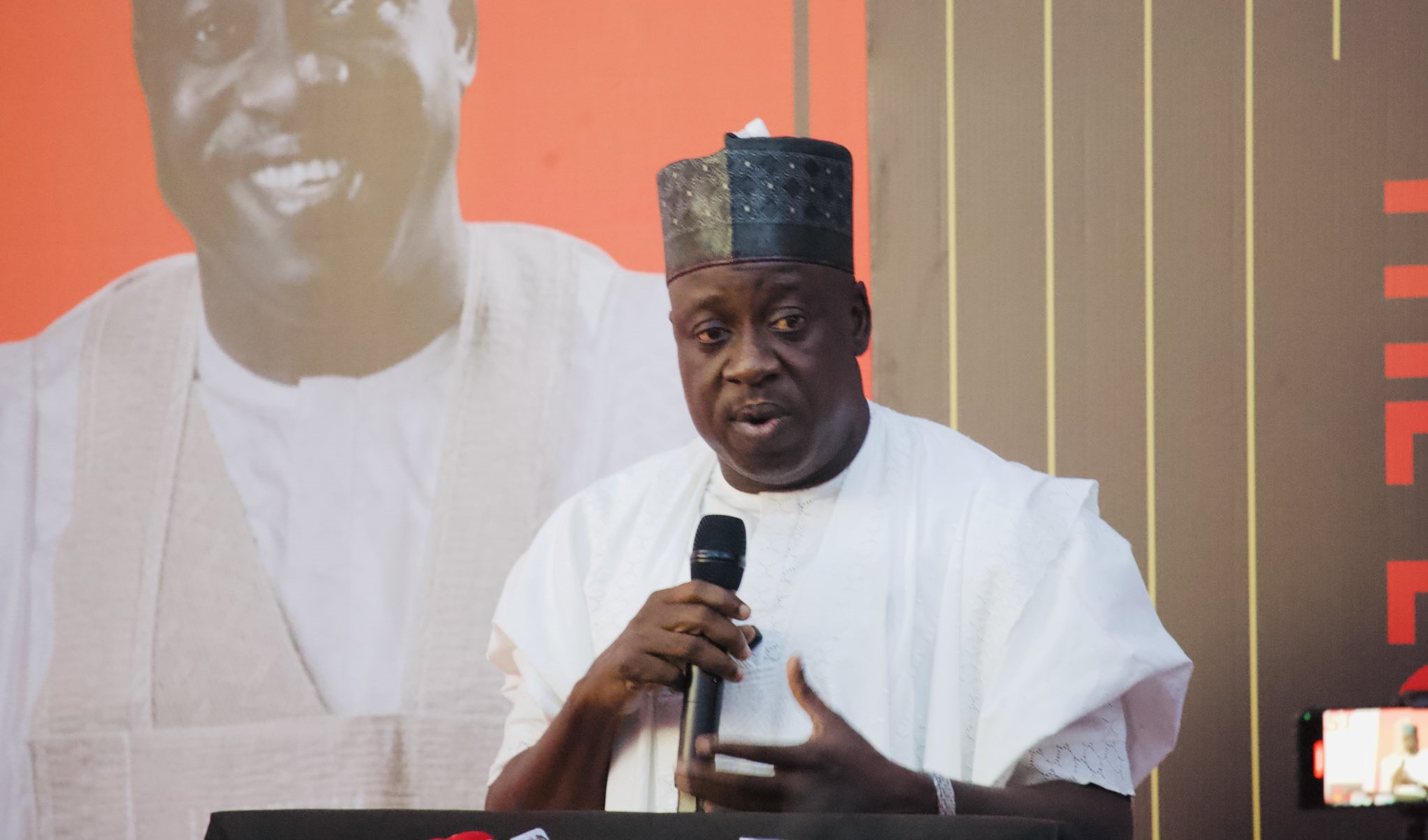
The Director of the Asset Management Department of the NDIC, Ogungbemi Theophilus, disclosed this on Monday at the Stakeholders’ Seminar and Public Relations Workshop in Abuja.
Speaking on the difficulties associated with recovering assets from failed banks, Theophilus said some borrowers wrongly assume that the revocation of a bank’s operating licence automatically frees them from their repayment obligations.
He explained that some debtors deliberately conceal their properties, frustrate recovery proceedings, resort to prolonged court cases and sometimes use intimidation to discourage the corporation from pursuing outstanding debts.
According to him, the NDIC remains committed to carrying out its recovery responsibilities professionally despite the obstacles.
He described loan recovery as one of the most challenging aspects of liquidating failed banks, noting that borrowers who defaulted while the institutions were operational often become even more difficult to pursue after their closure.
The director also warned that prolonged recovery processes and delays in selling physical assets could erode their market value, reducing the funds available to compensate affected depositors.
He explained that properties left unused for long periods lose value, while equipment deteriorates and unpaid loans become increasingly difficult to recover.
Theophilus stressed that delays in retrieving these assets directly affect the corporation’s ability to pay depositors awaiting their outstanding funds.
He said the Asset Management Department oversees loans, properties and investments belonging to failed deposit money banks, primary mortgage banks and microfinance banks.
Its responsibilities, he explained, include recovering unpaid loans, selling physical properties and investments, and converting the proceeds into cash for the settlement of uninsured depositors.
He noted that the amount the corporation can pay customers whose deposits exceed the insured limits largely depends on how effectively these assets and outstanding debts are recovered.
Theophilus explained that depositors of deposit
money banks, non-interest banks and mobile money operators are covered by insurance of up to N5m per depositor per bank, while customers of microfinance banks, primary mortgage banks and payment service banks have coverage of up to N2m.
According to him, the existing insurance limits provide full protection for about 99 per cent of depositors. However, customers with balances above the stipulated coverage must rely on liquidation dividends to recover the uninsured portion of their deposits.
He explained that payments beyond the insured amounts would depend on proceeds generated from the sale of recovered assets and the collection of outstanding loans.
The NDIC director also revealed that the corporation held public auctions on November 3 and 4, 2026, to sell physical assets belonging to three financial institutions undergoing liquidation.
The banks involved were Union Homes Savings and Loans, Heritage Bank and Resort Savings and Loans, with the auction exercises conducted across Lagos, Taraba and Adamawa states.
He said the sales were organised by the Asset Management Department through appointed auctioneers, using a competitive sealed-bidding process.
Theophilus further emphasised the need to control the expenses associated with debt recovery, warning that the cost of retrieving outstanding loans must not exceed the value of the assets being recovered.
He said excessive recovery expenses would ultimately reduce the funds available to depositors, making it necessary for the corporation to maintain strict control over costs, timelines and reporting.
He also warned professionals involved in the recovery and disposal of failed banks’ assets against unethical practices, including insider dealings, deliberate undervaluation of properties, collusion with prospective buyers and diversion of sale proceeds.
The director maintained that the corporation would not tolerate any activities capable of depriving depositors of funds due to them.
He disclosed that the NDIC was working on a comprehensive Asset Management Policy to improve the identification, documentation, valuation and disposal of assets, while strengthening accountability throughout the recovery process.
He added that the corporation planned to strengthen its partnerships with auctioneers, valuers, sales agents, surveyors and other professionals to improve debt recovery and speed up the payment of depositors’ claims.
Theophilus explained that the Abuja workshop was one of three stakeholder engagements scheduled to take place in Abuja, Enugu and Lagos to address operational difficulties, improve professional collaboration and strengthen asset recovery efforts.
He expressed confidence that stronger cooperation among the relevant stakeholders would improve recovery outcomes and help the corporation settle outstanding claims owed to depositors of failed banks.








How FERMA MD Chukwuemeka Agbasi Paid N851.2 Million Through Personal Accounts and Internal Wallets and Took N32.27 Million of It as Refunds for His Own Foreign Trips

NDIC Raises Alarm Over Debtors’ Tactics To Evade Loan Repayment

Beyond Cement: Dangote Deploys Football to Unite Ibese, Okpella Host Communities

Tinubu’s fresh Ibom Deep Seaport approval raises questions over Buhari’s 2020 clearance, financing

Troops arrest suspected gunrunner, kill 2 terrorists in Plateau

2027 ELECTIONS: NACAT DEMANDS IMMEDIATE END TO PERSONAL ATTACKS; URGES TINUBU, ATIKU, AND OBI TO FOCUS ON ISSUES-BASED CAMPAIGNS TO RESCUE NIGERIA

United Aladura Churches Ends 22nd Global Convention In Lagos, Plan N500m National Hqtrs

The Risky Road To NYSC Orientation Camps

UK migrant workers wear chains, sing Asa’s ‘Jailer’ to protest proposed visa reforms

How Lagos Families Are Allegedly Buying Contaminated Meat In Dirty Conditions At Mushin, Oshodi, Mile 12, Surulere Markets

At TEDxEnugu, Gov Soludo Harps On Ndigbo Transiting From Individual Success To Building Collective Institutions

Pantami reacts after INEC omits his name from Gombe governorship candidates list
INEC excludes Ogun PDP’s Adebutu, running mate from final governorship candidates list

Suspect arrested over farmer’s killing, kidnapping in Niger

Delta records highest oil spill as nine incidents release nearly 130,000 litres of crude

Alleged N60m Oshodi Recruitment And Visa Scam: 2 Company Staff Arraigned In Lagos

 Special Reports6 days ago
ADC warns Sokoto govt, vows to hold governor responsible for intimidation, violence against opposition

 Special Reports7 days ago
Health Review: Ebola case, child malnutrition, medicine security, other developments that shaped October
- Special Reports7 days ago
2027: PDP expels aspirants challenging Pantami’s candidacy as Gombe governorship candidate
- Investigations6 days ago
WEMA BANK SETS NOVEMBER 6 FOR HACKAHOLICS 7.0 GRAND FINALE, UNVEILS “FESTIVAL OF THE FUTURE” AS THEME
- Special Reports5 days ago
United Nigeria Airlines Boss Receives Trailblazer In Aviation Award At Daily Times Centenary Celebration
- Top Stories4 days ago
“Courts Must Guard Their Independence, Impartiality And Integrity” — NDC Warns After Atiku’s Candidacy Is Nullified
- News7 days ago
NAFDAC’s regulatory reforms offer model for Africa – Adeyeye
- Special Reports7 days ago
Failure to prosecute electoral offenders, threat to free, fair elections, says NHRC